

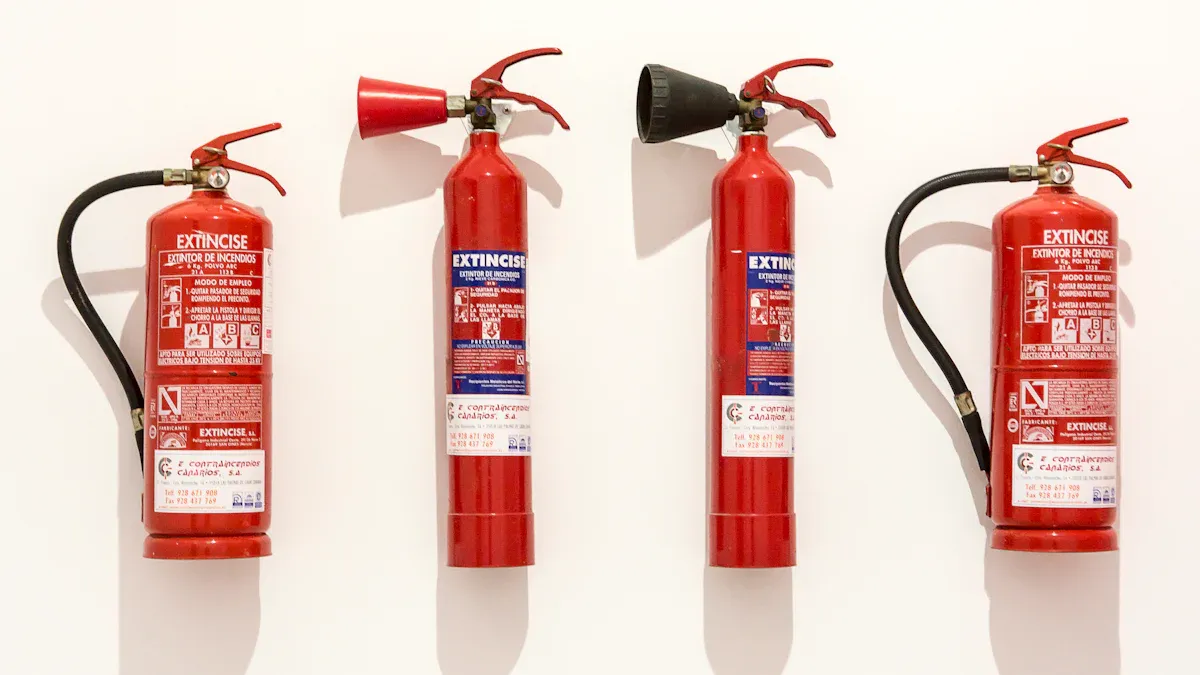
A fire fighting system serves as a vital safety measure that protects lives and property from the devastating effects of fire. This system includes various fire protection system components that work together to detect, suppress, and extinguish flames effectively. Understanding the industrial fire protection system design is essential for ensuring optimal safety in various environments. A comprehensive fire pipeline system overview reveals how these components function in unison, making fire fighting systems indispensable in today’s world. As a fire protection system manufacturer in China, we are committed to providing high-quality solutions. So, what are the main components of a fire fighting system? They include fire hydrants, hoses, nozzles, valves, and extinguishers, all designed to work seamlessly together for maximum effectiveness.
Key Takeaways
- Fire fighting systems are essential for protecting lives and property from fire hazards. They include components like fire alarms, extinguishers, and sprinkler systems.
- Understanding the different types of fire fighting systems, such as water-based and clean agent systems, helps organizations choose the right solution for their needs.
- Regular maintenance and inspections of fire fighting equipment, like extinguishers and hydrants, ensure they function properly during emergencies.
- Compliance with fire safety regulations is crucial for organizations. It helps avoid legal penalties and enhances overall safety.
- Investing in fire fighting systems not only protects assets but can also lead to lower insurance premiums and increased peace of mind for occupants.
Understanding Fire Fighting Systems
Fire fighting systems play a crucial role in safeguarding lives and property from fire hazards. These systems vary significantly in design and application across different environments, including residential, commercial, and industrial settings. Understanding the types of fire fighting systems available helps organizations choose the right solution for their specific needs.
The main types of fire fighting systems include:
- Water-Based Fire Suppression Systems: These systems are the most common and include wet, dry, and pre-action sprinkler systems. They provide immediate response to fires by releasing water to extinguish flames.
- Clean Agent Fire Suppression Systems: These systems utilize gaseous agents, such as FM-200, to protect sensitive equipment without leaving residue. They are ideal for environments like data centers and laboratories.
- CO₂ Fire Suppression Systems: These systems work by displacing oxygen, effectively extinguishing fires. They are particularly useful in industrial settings where flammable liquids are present.
- Foam-Based Fire Suppression Systems: These systems create a protective foam blanket over flammable liquids, preventing re-ignition and smothering flames.
- Dry Chemical Fire Suppression Systems: These systems use powders to interrupt the chemical reactions that sustain fires. They are versatile and suitable for various fire classes.
- Hybrid Fire Suppression Systems: These advanced systems combine water mist and gas for enhanced fire protection, making them suitable for sensitive environments.
Different industries require tailored fire fighting systems based on specific factors. For instance, the design of fire suppression systems may vary according to building occupancy, fire ratings, and structural layout. Compliance with local regulations and environmental factors also influences system selection.
By understanding these components and their applications, organizations can implement effective fire fighting systems that enhance safety and minimize risks.
Key Components of Fire Fighting Systems
Fire Alarms
Fire alarms are essential for early detection of fires. They alert occupants and emergency services, significantly reducing response times. Various types of fire alarm systems exist, each offering different levels of protection based on specific needs and risks. Common categories include:
- Conventional Fire Alarms: These systems detect smoke or heat and trigger alarms in a specific zone.
- Addressable Fire Alarms: These systems provide precise information about the location of the fire, allowing for quicker response.
- Wireless Fire Alarms: These systems eliminate the need for extensive wiring, making installation easier and more flexible.
Fire alarms continuously monitor environments, ensuring immediate alerts even when premises are unoccupied. They can automatically dispatch notifications to emergency responders, enhancing the efficiency of emergency responses. The integration of fire alarms with other safety systems further improves overall safety measures.
| Evidence Type | Description |
|---|---|
| Reduced response times | Continuous monitoring allows for immediate alerts, even when premises are unoccupied. |
| Automatic dispatch to emergency responders | Fire alarms can trigger automatic notifications to responders, significantly cutting down response time. |
| Integration with safety systems | Seamless sharing of alerts and information enhances the efficiency of emergency responses. |
Fire Extinguishers
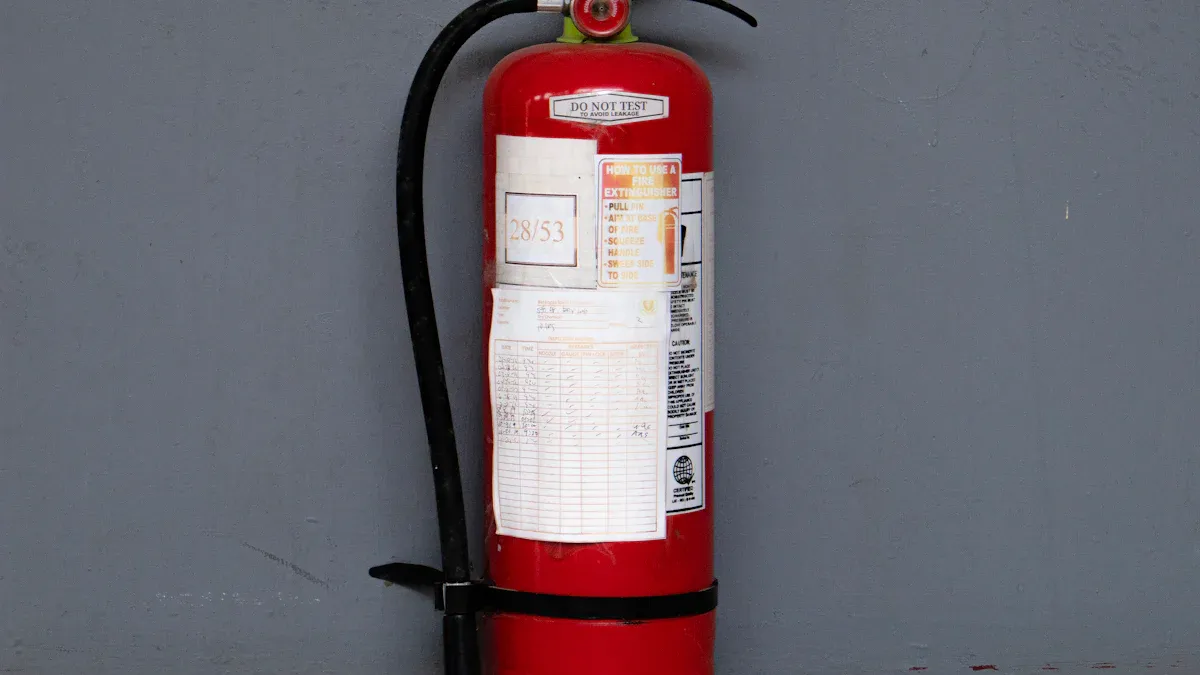
Fire extinguishers are portable devices designed to combat small fires. They come in various classes, each tailored for specific types of fires. Understanding these classes is crucial for effective fire fighting. The following table outlines the different classes of fire extinguishers and their uses:
| Class | Common Fuels | Fire Characteristics | Corresponding Fire Extinguisher |
|---|---|---|---|
| A | Wood, paper, cloth, rubber | Involves ordinary combustibles, leaves ash | Water-based or multipurpose |
| B | Gasoline, oil, grease, propane | Result from flammable liquids or gases | CO2 or dry chemical |
| C | Energized electrical equipment | Fueled by live electrical equipment | Non-conductive extinguishers |
| D | Magnesium, titanium, sodium | Involves combustible metals burning at high temperatures | Dry powder agents |
| K | Cooking oils, fats, grease | Specific to kitchen fires from cooking oils | Special agent for kitchen fires |
Proper training in the use of fire extinguishers is vital. Users must know how to operate them effectively to ensure safety during emergencies. Regular maintenance and inspections also ensure that extinguishers remain functional when needed.
Fire Hydrants
Fire hydrants provide firefighters with quick access to water during emergencies. Their strategic placement throughout urban areas ensures that firefighters can initiate operations without delay. Proper spacing and visibility of hydrants are essential for effective emergency response.
- Hydrants should be spaced no more than 500 feet apart to ensure adequate coverage.
- Municipal systems generally require flow rates between 500 to 1500 gallons per minute, depending on the area’s classification and risk assessment.
For effective operation, fire hydrant systems must meet standard water pressure requirements. The minimum allowable residual pressure is typically set at 20 psi to avoid pipe failure in underground mains. Ensuring adequate water supply capabilities supports firefighting operations and enhances overall safety.
Tip: Regular inspections of fire hydrants help maintain their functionality and ensure they are ready for use in emergencies.
Sprinkler Systems
Sprinkler systems are a fundamental component of fire fighting systems, designed to automatically detect and suppress fires. These systems consist of a network of pipes and sprinkler heads strategically installed throughout a building. When a fire occurs, the heat activates the sprinkler heads, releasing water to extinguish the flames.
The effectiveness of sprinkler systems in reducing fire damage is significant. They respond automatically to heat or flames, initiating firefighting without human intervention. Notably, they activate only in the area of the fire, minimizing water damage to unaffected areas. Research indicates that sprinkler systems can reduce property damage by as much as 90% by containing fires to their origin.
Key features of sprinkler systems include:
- Automatic Activation: Sprinklers activate based on temperature, ensuring immediate response.
- Targeted Water Release: Only the sprinklers in the fire-affected area release water, reducing collateral damage.
- Variety of Designs: Different types of sprinkler systems, such as wet, dry, and pre-action systems, cater to various environments and fire risks.
Regular maintenance and inspections of sprinkler systems are crucial to ensure their reliability. Building owners should conduct routine checks to verify that all components function correctly and comply with local fire codes.
Suppression Systems
Suppression systems offer advanced fire protection, particularly in environments where traditional methods may not suffice. These systems utilize various agents to extinguish fires, making them suitable for specialized applications.
Common types of suppression systems include:
| Type of System | Description |
|---|---|
| Dry Chemical Suppression | Ideal for areas where water cannot be used, effective against flammable liquids and live electrical equipment. Includes sodium bicarbonate, potassium bicarbonate, and monoammonium phosphate. |
| Clean Agent Suppression | Suitable for environments sensitive to water damage, activates upon detecting smoke or fire. Includes agents like 3M Novec 1230, FM-200, and CO2. |
| CO2 Fire Suppression | Effective in low-occupancy areas, reduces oxygen levels to extinguish fires, but poses asphyxiation risks without proper safety gear. |
Suppression systems differ from traditional sprinkler systems in their application. Traditional systems activate based on heat from a fire, using a glass bulb that shatters at high temperatures. In contrast, advanced fire suppression systems can utilize electronic heat detectors to preemptively trigger before a fire spreads. This capability makes them more suitable for high-value environments, such as data centers and museums.
Fire suppression systems are best suited for specialized environments, while traditional sprinkler systems generally serve standard settings. Their ability to address specific fire risks enhances overall safety and effectiveness in fire fighting systems.
Tip: Regular training for personnel on the operation of suppression systems ensures readiness in case of emergencies.
Working Principles of Fire Fighting Systems
Detection Mechanisms
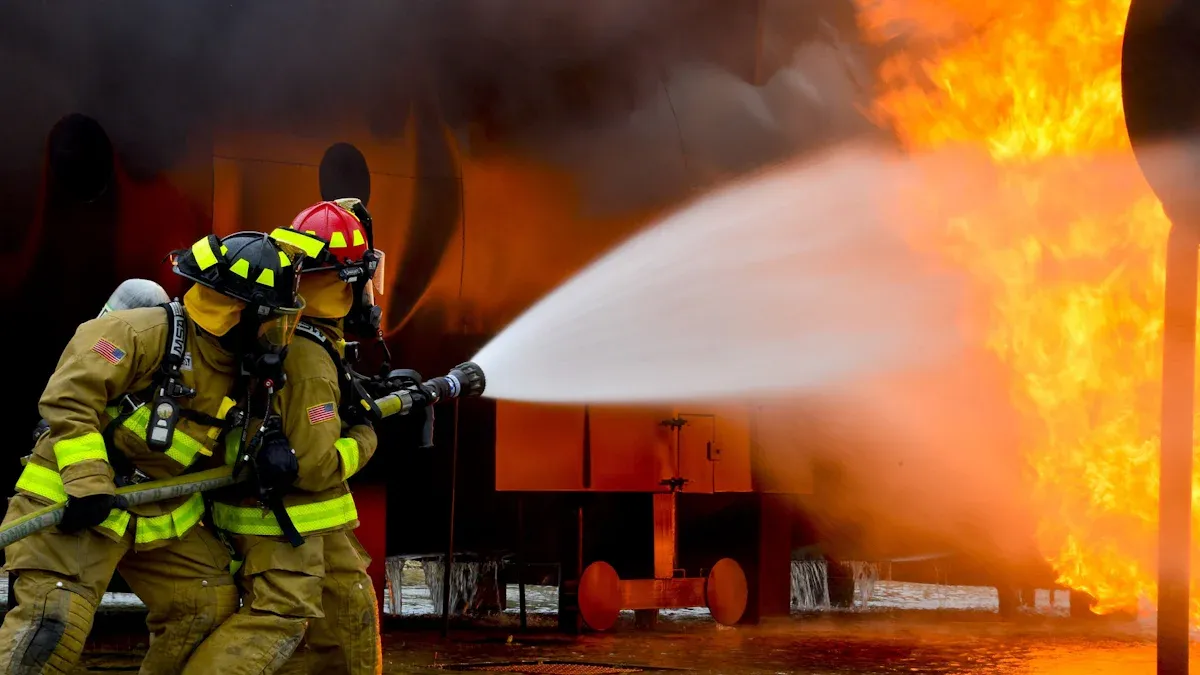
Detection mechanisms form the backbone of any fire fighting system. They identify the presence of fire or smoke and initiate the response process. Modern technologies enhance the accuracy and reliability of these detection systems. Some notable technologies include:
| Technology Type | Description |
|---|---|
| Ultrasonic Microwave Multi-Sensor | Uses Doppler shift of ultrasonic signals to assess smoke density and heat fluctuations. |
| Insect-Inspired Sensor | A sensor design based on the sensory process of fire measurement found in a specific insect species. |
| Microholography | Detects three-dimensional models of fire smoke particles using microscopic holographic technology. |
| Microwave Radiometers | Effective in open regions for fire detection, particularly in the presence of smoke and dust. |
| Acoustic Wave Sensors | Wireless and passive sensors that operate in harsh environments, useful for various applications. |
| Deep Learning | Enhances accuracy in fire detection through advanced image processing techniques. |
These advanced detection mechanisms significantly improve the precision of fire identification. They reduce false positives, ensuring that fire fighting systems respond only to genuine threats. For instance, the integration of deep learning technologies has led to notable improvements in flame detection accuracy, combining traditional methods with innovative approaches.
Activation Processes
Once a fire is detected, the activation process of a fire fighting system begins. This process is crucial for ensuring a timely response to fire incidents. The typical steps involved in this activation process include:
- Heat Detection: The fire’s heat causes the glass bulb or fusible link inside the sprinkler head to break.
- Water Release: This action opens the valve, allowing pressurized water to flow from the pipes.
- Fire Suppression: Water sprays directly over the fire, cooling the flames and preventing further spread.
- Alarm Activation: Many systems trigger alarms to alert occupants and emergency responders.
Automatic fire suppression systems are designed to activate quickly when a fire transitions from a minor event to a more dangerous situation. This rapid response is crucial for stopping fire growth and minimizing damage.
Extinguishing Methods
Fire fighting systems employ various extinguishing methods to combat fires effectively. Each method targets specific fire types, ensuring optimal suppression. The primary extinguishing methods include:
| Extinguishing Method | Description |
|---|---|
| Water Mist Systems | Local-application, occupancy protection, total compartment application, and zoned application systems. |
| Gaseous Agent Systems | Use unreactive gases to reduce oxygen levels, including inert, clean agent, and carbon dioxide systems. |
| Class D Fire Extinguishing Methods | Dry powder extinguishers, sand application, specialized fire blankets, and Class D suppression systems. |
Different extinguishing methods impact the effectiveness of fire suppression. For example, water mist systems work well in confined spaces, while gaseous agents excel in environments sensitive to water damage.
In addition to these methods, fire extinguishers are categorized based on the type of fire they combat:
- Class A: For ordinary materials like cloth, wood, and paper.
- Class B: For combustible and flammable liquids like grease and gasoline.
- Class C: For electrical equipment, using non-conductive agents.
- Class D: For flammable metals, typically found in factories.
- Class K: For cooking oils and fats, commonly used in commercial kitchens.
By employing the appropriate extinguishing method, fire fighting systems can effectively mitigate fire hazards and protect lives and property.
Benefits of Fire Fighting Systems
Fire fighting systems offer numerous advantages that significantly enhance safety, protect property, and ensure compliance with regulations. Understanding these benefits helps organizations recognize the importance of investing in effective fire protection measures.
Enhanced Safety
Fire fighting systems play a crucial role in safeguarding lives during emergencies. They provide early warnings and control fire outbreaks, which prevents casualties. The following table outlines key safety benefits:
| Safety Benefit | Description |
|---|---|
| Early Warning Systems | Provides early warnings and controls fire outbreaks, preventing casualties. |
| Property Protection | Minimizes losses by protecting buildings, equipment, and valuable assets. |
| Fire Spread Control | Sprinklers and hydrants control and stop the fire from spreading. |
| Compliance with Regulations | Ensures adherence to local and national building codes for fire safety. |
| Lower Insurance Premiums | Buildings with fire fighting systems often qualify for lower insurance costs. |
Property Protection
Investing in fire fighting systems significantly reduces the risk of property damage. Insurance companies assess the presence of these systems when determining coverage. Properties equipped with advanced fire detection and suppression systems are considered lower risk. This assessment can lead to reduced insurance premiums. Here are some key points regarding property protection:
- Properties with comprehensive fire protection measures often receive discounts from insurance companies.
- Investing in fire fighting systems can lead to long-term savings through reduced insurance costs.
- Effective fire protection minimizes potential damage to buildings and valuable assets.
Compliance with Regulations
Compliance with fire safety regulations is essential for organizations. Fire fighting systems help businesses adhere to local and international standards. The following table highlights key regulations that mandate the installation of fire fighting systems in commercial buildings:
| NFPA Standard | Description |
|---|---|
| NFPA 10 | Covers the selection, installation, inspection, and maintenance of portable fire extinguishers. |
| NFPA 13 | Outlines requirements for the design and installation of fire sprinkler systems in commercial buildings. |
| NFPA 17 | Regulates dry chemical fire suppression systems used in industrial applications. |
| NFPA 17A | Covers wet chemical fire suppression systems, often used in commercial kitchens. |
| NFPA 96 | Establishes requirements for ventilation control and fire protection of commercial cooking operations, including hood fire suppression systems. |
By implementing fire safety measures, organizations not only protect their assets but also avoid legal penalties associated with non-compliance. Adhering to established fire safety standards ensures uninterrupted business operations and enhances overall safety.
Peace of Mind
The presence of fire fighting systems significantly contributes to the peace of mind of building occupants. Individuals who have experienced domestic fires often express a deep appreciation for these safety measures. They report that fire fighting systems enhance their feelings of safety and security. One tenant noted, “We feel happy with the new fire safety,” highlighting how these systems alleviate anxiety about potential fire hazards. This sense of security fosters a more positive living environment.
Moreover, fire fighting systems play a crucial role in emergency preparedness among employees. Organizations that prioritize fire safety education create a culture of awareness and readiness. A significant majority of healthcare workers lack adequate knowledge regarding fire safety and emergency preparedness. This gap indicates a pressing need for improved training. However, there is a strong positive relationship between adequate knowledge of fire safety and emergency preparedness. Enhancing fire safety education can lead to better preparedness among employees, ultimately reducing panic during emergencies.
In addition to enhancing safety, fire fighting systems also promote a sense of community. When individuals know that their workplace or residence is equipped with effective fire protection measures, they feel more secure. This collective assurance encourages collaboration and communication among occupants, further strengthening community bonds.
Fire fighting systems are essential for safety, comprising various components that work together to detect and extinguish fires. These systems not only protect lives and property but also enhance community resilience. Studies show that effective fire fighting systems lead to improved response times and task completion, ultimately saving lives.
Key benefits include:
- Enhanced Community Engagement: Fire departments build trust through public events and safety education programs.
- Advanced Technology: Modern tools like thermal imaging cameras improve operational efficiency.
Investing in a robust fire fighting system ensures preparedness and safety for all.
FAQ
What is the primary purpose of a fire fighting system?
Fire fighting systems aim to detect, suppress, and extinguish fires, protecting lives and property from fire hazards.
How often should fire extinguishers be inspected?
Fire extinguishers should undergo inspection at least once a month. Annual maintenance by a certified professional is also essential.
Are sprinkler systems effective in all types of fires?
Sprinkler systems are highly effective for most fires, especially those involving ordinary combustibles. However, specialized systems may be necessary for specific fire types.
What should I do if a fire alarm goes off?
Immediately evacuate the building and call emergency services. Do not assume it is a false alarm; prioritize safety.
Can I install a fire fighting system myself?
While some components may seem straightforward, professional installation ensures compliance with safety standards and optimal functionality.
Post time: Mar-03-2026