

Introduction
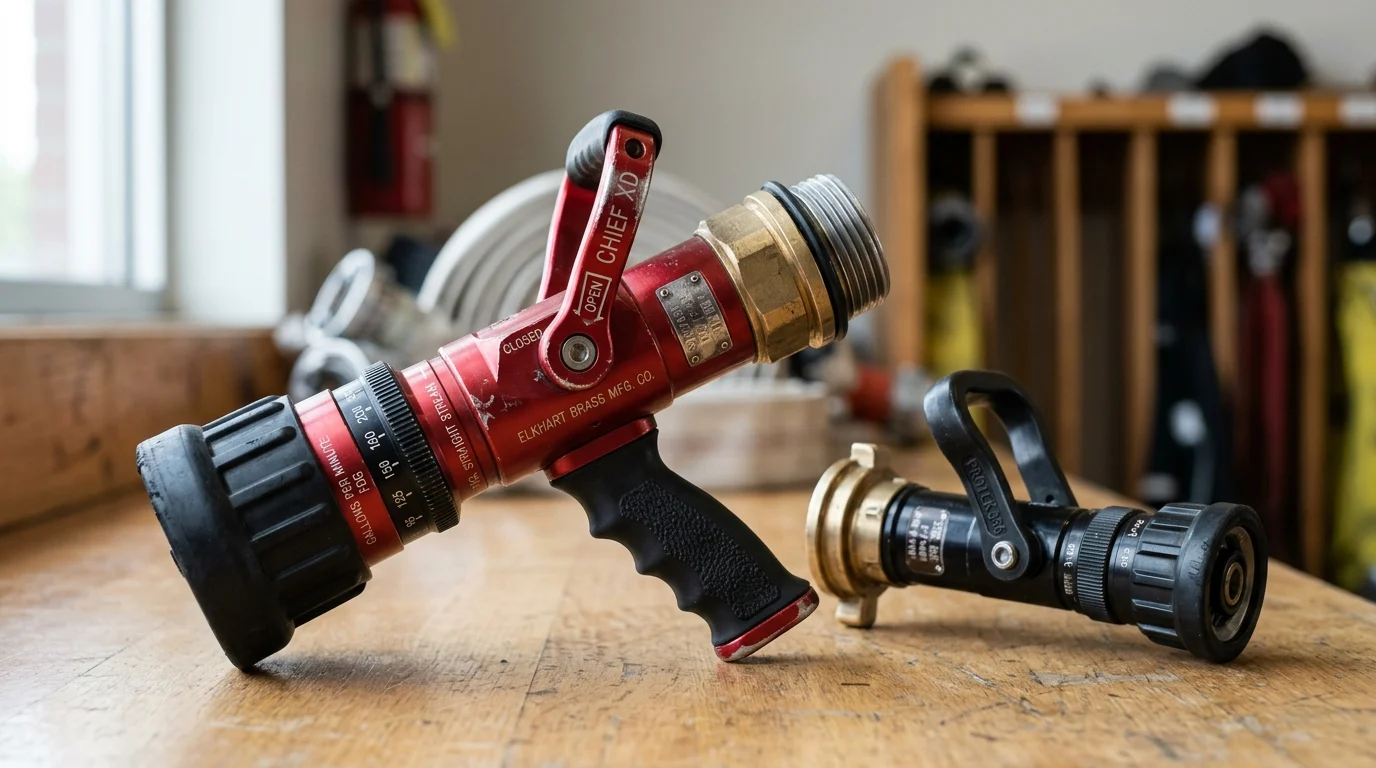
For marine fire nozzles, the Wheel Mark signals more than basic compliance: it shows the equipment meets the Marine Equipment Directive requirements for use on EU-flagged vessels and other ships following equivalent standards. That matters because fire nozzles are safety-critical components subject to inspection, documentation checks, and demanding operating conditions at sea. This article explains what the MED certification covers, how the Wheel Mark relates to testing and production control, and why it affects vessel acceptance, procurement decisions, and exposure to detention or replacement costs. With that context, the next sections examine the practical and regulatory consequences of choosing certified or non-compliant nozzles.
Why the Wheel Mark Matters for Fire Nozzles
The Marine Equipment Directive (MED) 2014/90/EU establishes a rigorous regulatory framework for marine safety equipment, visually represented by the Wheel Mark of conformity. For fire nozzles deployed on commercial vessels, this certification is not merely a mark of quality; it is a strict legal requirement for ships flying the flag of a European Union member state, as well as many international vessels adhering to equivalent maritime standards. The Wheel Mark indicates that the equipment has passed stringent type-approval testing and that the manufacturer maintains a tightly controlled production environment.
Equipping a vessel with non-compliant fire nozzles introduces severe legal, financial, and operational risks. Marine environments demand equipment capable of withstanding extreme saltwater corrosion, high-pressure operation, and rapid temperature fluctuations. Consequently, understanding the regulatory and practical implications of the Wheel Mark is essential for shipbuilders, fleet operators, and procurement specialists managing marine firefighting inventories.
Impact on vessel acceptance and inspections
The presence and validity of the Wheel Mark directly influence vessel acceptance during Port State Control (PSC) inspections. Inspectors rigorously audit safety equipment; fire nozzles lacking the appropriate MED documentation or physical markings are immediate grounds for deficiency reports. In severe cases, non-compliant critical safety gear can lead to vessel detention.
The financial impact of such detentions is substantial. A delayed commercial vessel can incur daily operational losses ranging from $20,000 to $50,000, not including potential fines or missed charter party deadlines. Furthermore, a detention record degrades the vessel’s risk profile in the eyes of insurance underwriters and charterers, making strict adherence to Wheel Mark requirements a critical component of maritime risk management.
Relation to SOLAS, class, and flag requirements
The MED serves as the European Union’s mechanism for enforcing the International Convention for the Safety of Life at Sea (SOLAS), specifically Chapter II-2, which governs fire protection, fire detection, and fire extinction. While SOLAS provides the overarching global standard, the MED translates these mandates into specific technical requirements and testing protocols for European-flagged vessels.
Classification societies, such as DNV, Lloyd’s Register, and Bureau Veritas, frequently act as Notified Bodies under the MED framework. These organizations execute the testing and auditing required to issue Wheel Mark certificates. A vessel operating under an EU flag requires 100% compliance with MED standards for its statutory safety equipment. Non-EU flag states often recognize or mandate Wheel Mark certification as well, viewing it as a gold standard that satisfies their own national interpretations of SOLAS requirements.
What MED Certification Covers
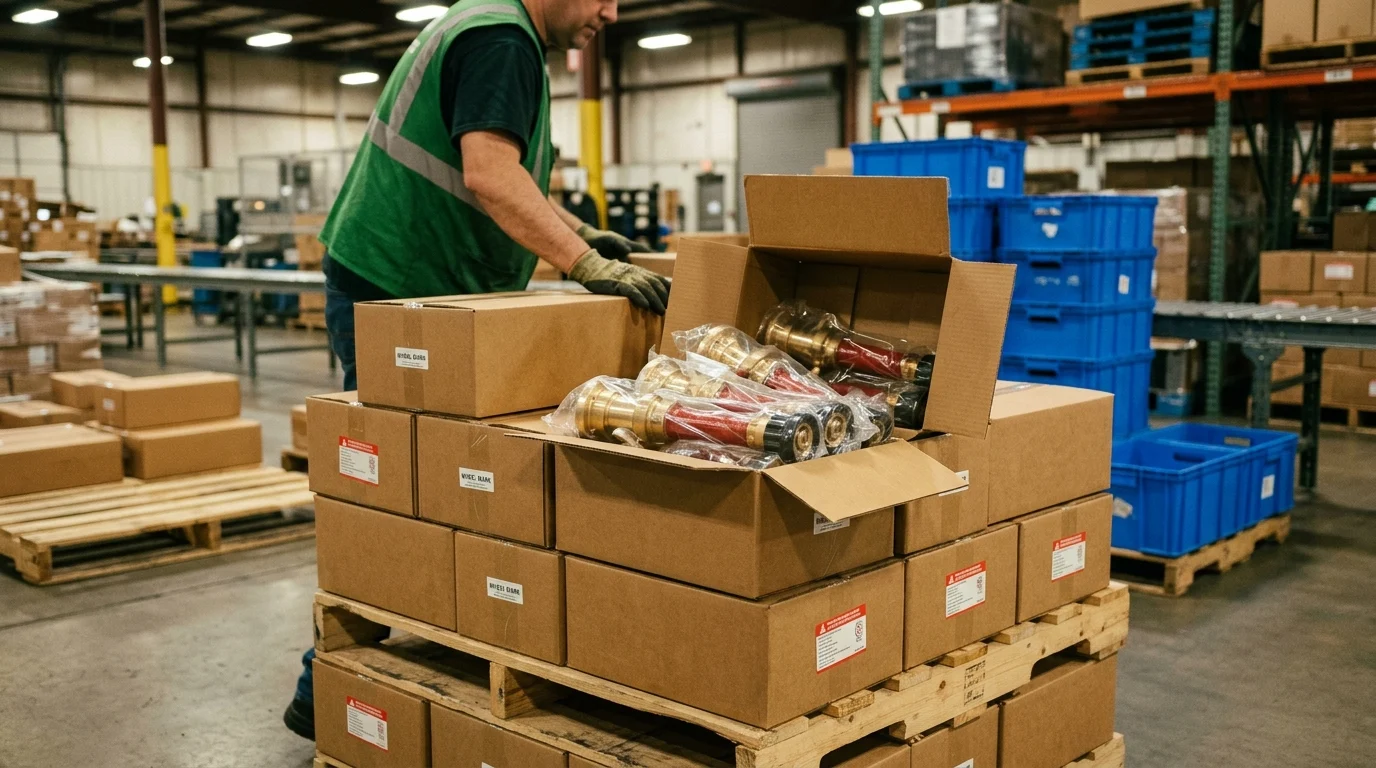
MED certification for fire nozzles involves a comprehensive evaluation of both the product’s design and the manufacturer’s production capabilities. The directive categorizes marine equipment into specific items; dual-purpose type fire nozzles typically fall under item MED/3.55. To achieve certification, manufacturers must demonstrate that their nozzles meet the performance criteria outlined in harmonized European standards, predominantly the EN 15182 series, which specifies the requirements for hand-held branchpipes for fire service use.
Product scope and approval pathways
The approval pathway for the Wheel Mark generally requires a combination of conformity assessment modules. The most common route is Module B (EC Type Examination) combined with Module D (Production Quality Assurance). Under Module B, a Notified Body rigorously tests a prototype of the fire nozzle to ensure the design meets all applicable EN 15182 and SOLAS requirements.
Once the prototype passes, Module D requires the manufacturer to maintain an approved quality management system, typically aligned with ISO 9001, specifically for production, final product inspection, and testing. Alternatively, manufacturers may pair Module B with Module E (Product Quality Assurance) or Module F (Product Verification), though Module D remains the industry standard for high-volume, consistent manufacturing of critical safety items.
Design, materials, and pressure performance
Wheel Mark certification mandates exceptional durability and pressure performance, exceeding standard industrial expectations. Fire nozzles must be constructed from materials proven to resist the highly corrosive marine environment. This typically involves rigorous salt spray testing, with MED-compliant equipment often required to withstand a minimum of 240 hours of continuous exposure without functional degradation.
Pressure performance is equally critical. Under EN 15182, nozzles are subjected to hydrostatic testing to ensure structural integrity. A nozzle rated for a maximum working pressure of 16 bar must successfully withstand a test pressure of 1.5 times that amount (24 bar) without deformation or leakage. The ability to maintain a consistent spray pattern and transition smoothly from a solid jet to a protective fog under high pressure is verified through physical trials.
| Test Parameter | Standard Requirement (EN 15182) | Marine (MED) Enhanced Expectation |
|---|---|---|
| Hydrostatic Pressure Test | 1.5x Working Pressure (e.g., 24 bar) | 1.5x Working Pressure with zero structural yield |
| Salt Spray Resistance | Baseline industrial exposure | Minimum 240 hours continuous exposure |
| Operational Temperature | -20°C to +55°C | -20°C to +60°C (accommodating extreme marine environments) |
| Flow Rate Accuracy | ± 15% of nominal flow | Strict adherence to specified flow across pressure ranges |
Marking, documentation, and factory control
Physical marking is a strict requirement of the MED. A compliant fire nozzle must bear the Wheel Mark logo permanently stamped, engraved, or molded into the body. This mark must be accompanied by the identification number of the Notified Body that undertook the production surveillance (e.g., 0575 for DNV) and the last two digits of the year the mark was affixed (e.g., ’23′ for 2023).
Documentation is just as critical as the physical mark. Every shipment must include a Declaration of Conformity (DoC), a legal document signed by the manufacturer stating that the equipment complies with the MED. To maintain this status, the factory’s quality control systems are audited annually by the Notified Body to ensure the defect rate remains virtually zero, typically targeting less than 0.1% for critical safety components.
MED vs Non-MED Fire Nozzles
While standard industrial or municipal fire nozzles may appear visually identical to their marine-certified counterparts, the underlying engineering, material selection, and regulatory pedigree differ significantly. Attempting to substitute a standard nozzle for an MED-certified unit on a regulated vessel is a critical compliance failure that compromises emergency response capabilities.
Compliance and testing differences
The primary technical difference lies in material resilience and testing rigor. Non-MED nozzles are frequently constructed from standard-grade aluminum or composite plastics optimized for weight and cost in freshwater environments. In contrast, MED-certified nozzles must utilize marine-grade brass, gunmetal bronze, or heavily hard-anodized marine aluminum alloys to prevent galvanic corrosion when exposed to seawater.
Testing differences are stark. While a municipal nozzle might be batch-tested for basic functionality, an MED nozzle prototype undergoes exhaustive life-cycle testing. This includes drop tests onto steel decks from heights of 2 meters, extreme temperature cycling, and prolonged exposure to vibration profiles typical of engine rooms and main decks.
Operational and sourcing trade-offs
Procuring MED-certified equipment introduces specific trade-offs regarding cost and supply chain velocity. The engineering upgrades, premium materials, and ongoing auditing costs associated with the Wheel Mark result in a noticeable price premium.
On average, an MED-certified fire nozzle costs 30% to 60% more than a standard industrial equivalent. Furthermore, the stringent quality control processes can impact availability. While standard nozzles might be sourced off-the-shelf within days, custom or bulk orders of MED-certified nozzles often carry lead times of 4 to 8 weeks to accommodate Module D production scheduling.
| Feature / Metric | Standard Industrial Fire Nozzle | MED-Certified Fire Nozzle |
|---|---|---|
| Material Composition | Standard Aluminum, Plastics | Bronze, Brass, Hard-Anodized Marine Alloy |
| Cost Multiplier | 1.0x (Baseline) | 1.3x to 1.6x Premium |
| Traceability | Standard Batch Number | Wheel Mark, NB Number, Year, DoC |
| Average Lead Time | 1 to 2 Weeks | 4 to 8 Weeks |
| Regulatory Approval | Local/National Fire Codes | SOLAS, MED 2014/90/EU, Flag State |
Buyer and Shipyard Verification Steps
For shipyard procurement officers and vessel superintendents, ensuring that purchased fire nozzles are legitimately certified is a high-stakes responsibility. Counterfeit safety equipment or administrative oversights can lead to severe operational bottlenecks, rejected vessel deliveries, or failed annual surveys.
How to verify Wheel Mark certificates
Verification must occur on two fronts: digital documentation and physical inspection. Buyers should first verify the manufacturer’s Module B and Module D certificates against the MarED product database, the official European repository for approved marine equipment. The certificate numbers provided by the supplier must match active entries in the database.
Upon physical receipt of the nozzles, inspectors must cross-reference the Declaration of Conformity (DoC) with the markings on the hardware. The Notified Body number and the year of production stamped on the nozzle body must align perfectly with the details on the DoC. Any discrepancy, such as a missing year stamp or an expired Module D certificate at the time of manufacturing, renders the equipment non-compliant.
Common sourcing and logistics delays
Sourcing Wheel Mark equipment often encounters logistical friction, particularly regarding documentation. A missing or incorrectly formatted Declaration of Conformity can delay customs clearance by an average of 3 to 7 days, as port authorities increasingly scrutinize marine safety imports.
Additionally, buyers must account for Minimum Order Quantities (MOQs). Because setting up a production run that complies with Module D tracking is resource-intensive, manufacturers may impose MOQs of 50 to 100 units for specific nozzle configurations. Failure to forecast these constraints can disrupt shipbuilding timelines or delay critical vessel maintenance periods.
Aftermarket and replacement considerations
The lifecycle of a fire nozzle dictates that replacements will eventually be necessary due to wear, physical damage, or loss. When replacing a nozzle on a regulated vessel, the replacement must be a 1-to-1 MED-compliant match. Utilizing a non-certified nozzle as a temporary stopgap violates SOLAS regulations and can immediately invalidate the vessel’s safety certificates and insurance coverage.
Vessel operators must ensure that aftermarket suppliers provide the original, signed DoC with every replacement nozzle. Maintaining a digital and physical archive of these documents onboard is mandatory, as PSC inspectors will request them during routine checks of the fire main system.
How to Choose the Right Fire Nozzle

Selecting the correct MED-certified fire nozzle extends beyond simply checking a compliance box. The equipment must integrate seamlessly with the vessel’s existing fire main infrastructure and meet the tactical requirements of the crew who will deploy it during an emergency. A strategic approach to selection minimizes lifecycle costs and maximizes onboard safety.
Key decision criteria for compliant selection
The primary criteria for selection involve matching the nozzle’s hydraulic performance to the ship’s fire pump capabilities. Buyers must specify the required flow rate and operating pressure, for instance, selecting a nozzle optimized for 400 liters per minute (L/min) at a standard fire main pressure of 6 bar. Furthermore, the nozzle must achieve specific throw distances; SOLAS generally requires a minimum throw of 12 meters for a solid jet to ensure crews can fight fires from a safe distance.
Material selection should be dictated by the installation location. Nozzles stationed on weather decks, exposed directly to sea spray and extreme weather, should heavily favor gunmetal bronze or brass for maximum longevity, despite the weight penalty. Conversely, nozzles located in interior accommodation spaces can utilize lighter, hard-anodized aluminum alloys to reduce crew fatigue during deployment.
How to reduce rework and inspection risk
To mitigate the risk of inspection failures and costly operational delays, fleet operators should standardize fire nozzle models across their vessels. Standardization simplifies crew training, streamlines the auditing process for inspectors, and reduces the complexity of procurement.
Furthermore, maintaining a dedicated inventory of certified spare parts is a highly effective risk reduction strategy. Industry best practices recommend holding a 10% spare inventory of MED-certified nozzles and their corresponding DoCs either onboard or at a central logistics hub. This buffer prevents emergency ‘Aircraft on Ground’ (AOG) style orders for marine parts, which can incur premium freight costs of 200% to 300% above standard shipping rates to resolve a sudden PSC deficiency.
Key Takeaways
- The most important conclusions and rationale for Fire Nozzles
- Specs, compliance, and risk checks worth validating before you commit
- Practical next steps and caveats readers can apply immediately
Frequently Asked Questions
What does the Wheel Mark mean on a fire nozzle?
It shows the nozzle complies with the EU Marine Equipment Directive for marine use. For EU-flag vessels, it confirms approved design, tested performance, and controlled production.
Are all fire nozzles required to have MED certification?
No. MED certification is mainly required for statutory marine equipment on EU-flagged ships. Industrial, building, or non-marine nozzles may use other approvals instead.
What documents should buyers request with a MED-certified fire nozzle?
Ask for the Wheel Mark details, MED certificate, module information such as B+D, and traceable product labeling. This helps during class reviews and port inspections.
How can non-compliant fire nozzles affect vessel operations?
They can trigger PSC deficiencies, delay vessel acceptance, and even cause detention. That means added replacement costs, inspection issues, and possible charter or insurance complications.
Can NBWorldFire supply MED-certified fire nozzles for marine projects?
Yes. NBWorldFire serves global B2B marine and industrial buyers and offers certified fire protection equipment. Confirm the exact nozzle model, approval scope, and destination market before ordering.
Post time: May-20-2026