

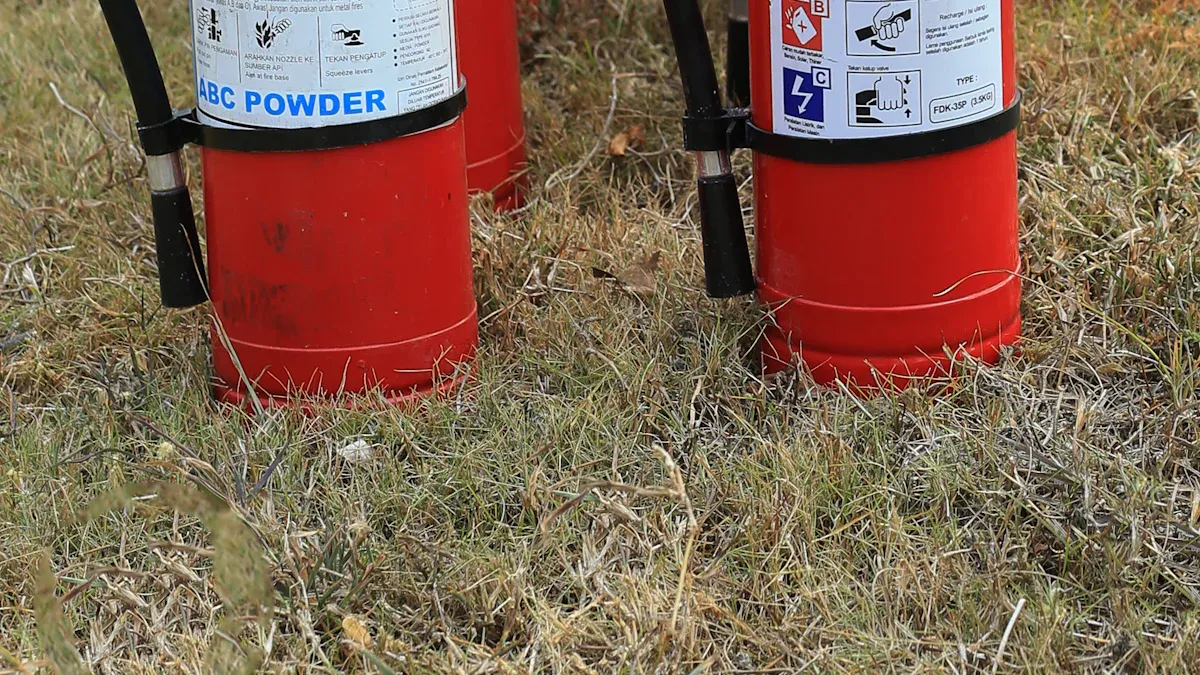
Importing fire fighting equipment is crucial for ensuring safety and preparedness in emergency situations. Sourcing from China presents significant advantages, including cost-effectiveness and access to a wide range of quality products from reputable fire fighting equipment manufacturers. By engaging with established manufacturers, businesses can achieve economies of scale, lower per-unit costs, and enhance operational capabilities.
The import process involves several key steps, such as identifying reliable suppliers, understanding fire hydrant export requirements, and navigating logistics, including fire equipment shipping costs. Additionally, it is important to consider what documents are required to import fire equipment to ensure compliance with regulations. Each step plays a vital role in successfully importing fire equipment from China, especially when dealing with UL certified fire equipment factories that guarantee quality and safety.
Key Takeaways
- Identify reliable suppliers by checking certifications, manufacturing capabilities, and quality control processes. This ensures you receive high-quality firefighting equipment.
- Understand the necessary regulations and certifications for importing firefighting equipment. Compliance with standards like UL and ISO 9001 guarantees safety and reliability.
- Implement thorough quality control practices, including pre-shipment inspections and product testing. This minimizes risks and ensures that equipment performs effectively in emergencies.
- Choose the right shipping method based on your needs. Consider factors like cost, speed, and shipment size to ensure timely delivery of your firefighting equipment.
- Work with experienced freight forwarders to streamline logistics. Their expertise can help navigate customs and optimize shipping costs, making the import process smoother.
Finding Reliable Suppliers
Identifying reliable suppliers is a critical step in the process of importing fire fighting equipment from China. A dependable supplier ensures that businesses receive high-quality products that meet safety standards. Here are some essential criteria to consider when evaluating potential suppliers:
| Criteria | Description |
|---|---|
| Certifications & Compliance | Verify ISO 9001 and product-specific approvals (e.g., EN3, UL 8) through official databases. |
| Manufacturing Capabilities | Evaluate control over production stages like material sourcing and final inspection. |
| Quality Control Processes | Look for documented QC protocols and third-party audit history. |
| Export Experience | Prefer suppliers with a proven track record in your target market. |
| Response Time & Communication | Efficient communication indicates operational discipline; top suppliers respond quickly. |
In addition to these criteria, businesses can benefit from knowing the top-rated fire fighting equipment manufacturers in China. According to recent industry reports, the following companies stand out:
- Jiangsu SenTec Fire Equipment Co., Ltd. – Leading exporter known for high quality and technological innovation.
- Zhenhui Fire Technology Co., Ltd. – Focuses on fire alarm equipment with international certifications.
- GST – Gulf Security Technology Co., Ltd. – Major manufacturer of fire protection products with a global reach.
- Siterwell Electronics Co., Ltd. – Specializes in fire detectors, known for quality in European and American markets.
- Xiamen XGMA Firefighting Co., Ltd. – Comprehensive manufacturer with a focus on innovation.
- Shanghai Yongsheng Fire Equipment Co., Ltd. – Known for cost-effective fire extinguishers and hoses.
- Hongda Fire Equipment Co., Ltd. – Well-known for fire pumps and hoses, especially in the Middle East.
- Safety Plus Industrial Co., Ltd. – Leading supplier with efficient production and quality control.
- Tianguang Zhongmao Co., Ltd. – Established manufacturer with a good reputation in export markets.
- Xinhao Fire Fighting Equipment Co., Ltd. – Notable supplier in the industry.
Attending trade shows and exhibitions can significantly enhance the search for reliable suppliers. These events allow businesses to meet manufacturers directly, facilitating the evaluation of their capabilities and products. Notable exhibitions include:
- The China Fire Expo, recognized as the largest fire protection exposition in China, showcases advanced technologies.
- The Shanghai Labor Insurance Exhibition and CIOSH also present innovations in firefighting equipment.
By leveraging these resources, businesses can establish strong partnerships with reputable fire fighting equipment manufacturers, ensuring they meet their operational needs effectively.
Researching Fire Fighting Equipment Manufacturers
Researching fire fighting equipment manufacturers is essential for businesses aiming to import high-quality products. A thorough investigation helps identify reputable suppliers and ensures compliance with safety standards. Here are some effective strategies for conducting this research:
- Utilize Industry Databases: Various online directories list verified fire fighting equipment manufacturers in China. Some notable regions include:
- Fujian Province: Home to over 60% of China’s fire sprinkler guard manufacturers, including Quanzhou Baichuan Firefighting Equipment Co., Ltd. and Nanan Xiangfa Fire Equipment Co., Ltd.
- Zhejiang Province: Known for precision engineering, featuring companies like Ningbo Yichang Fire Equipment Co., Ltd., which caters to European clients.
- Shanghai: A global trade hub with suppliers such as Safety Plus Industrial Co., Ltd., offering advanced logistics solutions.
- Shanxi Province: Focused on heavy-duty applications, with firms like Shanxi Goodwill Industrial And Trading Co., Ltd. serving niche markets.
- Check Online Reviews and Ratings: Investigate customer feedback on platforms like Alibaba and Global Sources. Positive reviews often indicate reliability and product quality.
- Engage with Industry Associations: Organizations such as the China Fire Protection Association provide valuable resources and networking opportunities. They can help connect businesses with reputable manufacturers.
- Attend Trade Shows: Participating in industry exhibitions allows direct interaction with manufacturers. Events like the China Fire Expo showcase innovative products and technologies, facilitating informed decision-making.
- Request Product Samples: Before finalizing any agreements, request samples to evaluate quality firsthand. This step is crucial for ensuring that the products meet specific requirements.
By employing these strategies, businesses can effectively research fire fighting equipment manufacturers and establish partnerships that enhance their operational capabilities.
Evaluating Supplier Credentials
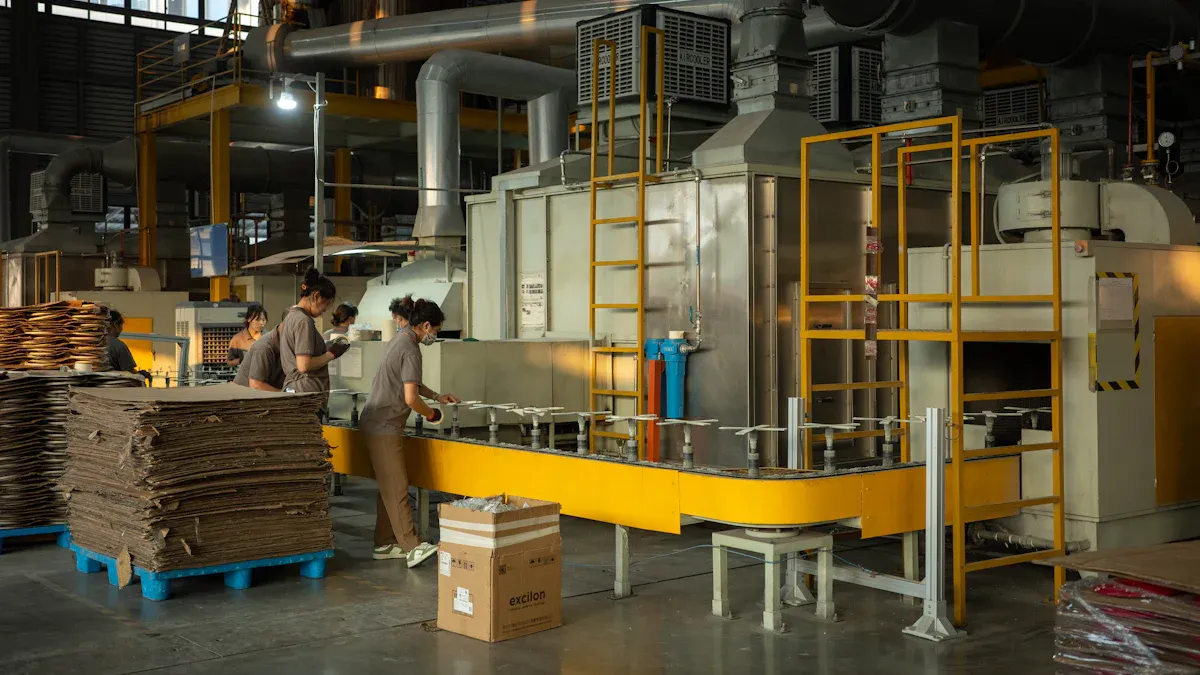
Evaluating supplier credentials is essential for businesses seeking to import fire fighting equipment from China. This process ensures that suppliers meet industry standards and provide reliable products. Importers should take several steps to verify the credentials of potential suppliers.
First, request certificates directly from the manufacturer. Importers should ask for official UL Listing and/or FM Approval certificates. These documents confirm compliance with safety and performance standards. Additionally, verifying these certificates through official online databases is crucial. The UL Product iQ database and the FM Approval Guide can help confirm that products are certified. If a product does not appear in these databases, it lacks certification.
Next, consider utilizing third-party verification services. These services can provide varying levels of supplier evaluation, as shown in the table below:
| Level | Description |
|---|---|
| Level 1 | Basic verification of certification status, ensuring consumer protection and basic customs clearance. |
| Level 2 | In-depth access to batch-specific test data and material specifications, allowing for thorough evaluation of supplier performance. |
| Level 3 | Restricted access to factory audit findings and nonconformity records, providing insights into supplier risks. |
By engaging third-party services, businesses can gain deeper insights into supplier reliability. This approach minimizes risks associated with importing fire fighting equipment.
Finally, conducting thorough background checks on suppliers can reveal their reputation in the industry. Researching customer reviews and testimonials can provide additional assurance of a supplier’s credibility.
Using Online Platforms for Sourcing
Sourcing fire fighting equipment from China has become increasingly efficient due to various online platforms. These platforms connect buyers with manufacturers, simplifying the procurement process. Some of the most commonly used platforms include:
- Alibaba
- AliExpress
- 1688.com
- Taobao
Each platform offers unique features that cater to different sourcing needs. For instance, Alibaba is known for its extensive range of products and supplier verification processes. However, it is essential to weigh the advantages and limitations of each platform to make informed decisions.
Here is a comparison of three popular platforms: Alibaba, Made-in-China, and Global Sources.
| Category | Advantages | Limitations |
|---|---|---|
| Cost-Effective Products | - Direct access to factory prices | - Requires knowledge of Chinese language or use of translation tools |
| - No middlemen or export markups | - Shipping and import costs not always included | |
| - Ideal for small and medium-sized businesses | - May need a sourcing agent for international orders | |
| Wide Product Variety | - Over 1 billion products listed | - Information overload can be overwhelming |
| - Covers various categories | - Product quality varies by supplier | |
| Language Accessibility | - Google Translate and other tools integrate well | - Native interface is in Chinese only |
| - Rise of bilingual sourcing agents and platforms | - Customer service typically limited to Mandarin | |
| Supplier Verification & Trust | - Verified business licenses and factory certifications | - Not all suppliers are equally reliable |
| - User reviews and transaction history available | - Due diligence is still required |
Using these platforms allows businesses to connect with reputable fire fighting equipment manufacturers. They can explore a wide range of products, compare prices, and read reviews from other buyers. This process enhances the likelihood of finding high-quality equipment that meets specific needs.
When sourcing online, businesses should remain vigilant. They must verify supplier credentials and ensure compliance with safety standards. By leveraging online platforms effectively, companies can streamline their sourcing process and enhance their operational capabilities.
Understanding Regulations and Certifications
Importing firefighting equipment involves navigating a complex landscape of regulations and certifications. Compliance with these standards ensures that products meet safety and performance requirements in various markets. Understanding these regulations is crucial for successful importation.
Key Regulations for Major Markets
- United States:
- The Machinery Directive mandates that all machinery, including firefighting equipment, must meet specific technical requirements.
- Importers must prepare an EC Declaration of Conformity. This document includes details about the manufacturer, product description, and compliance with applicable standards.
- European Union:
- The EN 13478 standard outlines fire prevention and protection measures for machinery, including firefighting equipment.
- Importers must have documentation ready for review, including the Declaration of Conformity, which must detail compliance with the Machinery Directive.
- Eurasian Economic Union (EAEU):
- The TR EAEU 043 regulation governs the import of firefighting equipment in the EAEU. It requires a Certificate of Conformity.
- Equipment must undergo multiple tests to prove conformity, with specific sample requirements (e.g., 28 samples for water spray nozzles).
- Technical documentation must comply with strict standards, including a technical passport in Russian detailing specifications and operational parameters.
Importance of Certifications
Certifications play a vital role in ensuring that firefighting equipment meets safety standards. They provide assurance to importers and end-users about the quality and reliability of the products. Some key certifications to consider include:
- UL Certification: Indicates that the product has been tested for safety and performance by Underwriters Laboratories.
- FM Approval: Confirms that the equipment meets specific standards for fire protection and safety.
- ISO 9001: A quality management standard that ensures consistent quality in manufacturing processes.
Key Regulations for Firefighting Equipment
Importing firefighting equipment requires adherence to various regulations that ensure safety and compliance. Understanding these regulations is vital for businesses to avoid legal issues and ensure product reliability.
International Standards
Firefighting equipment must meet specific international standards before importation. These standards serve as benchmarks for safety and performance. The following table outlines key standards relevant to firefighting equipment:
| Standard | Description |
|---|---|
| UL | Global benchmark for fire pump reliability and safety. |
| FM | Certification ensuring compliance with fire safety codes. |
| NFPA | Requires critical components to be listed for legal installation. |
| SASO | Saudi Arabia’s approval referencing UL and FM standards. |
| CAN/ULC | Canadian equivalent of UL for fire system components. |
Compliance with these standards not only enhances product credibility but also assures customers of their safety and effectiveness.
Penalties for Non-Compliance
Failure to comply with firefighting equipment regulations can lead to severe consequences. Businesses and individuals may face significant penalties, including:
- Maximum penalty of five years imprisonment for individuals involved in unlawful trade.
- Additional penalties for individuals may include fines, exclusion from public funding, and disqualification from leadership positions.
- Legal entities may face penalties such as:
- Fines
- Exclusion from public benefits
- Withdrawal of permits
- Closure of establishments used for the offense
- Judicial supervision
- Judicial winding-up
- Temporary or permanent disqualification from business activities.
Understanding these regulations and potential penalties is crucial for businesses looking to import firefighting equipment. By ensuring compliance, companies can protect themselves from legal repercussions and contribute to safer environments.
Necessary Certifications for Compliance
Importing firefighting equipment requires adherence to specific certifications to ensure compliance with safety and performance standards. These certifications vary by region, but they serve a common purpose: to guarantee that products meet legal requirements and operate effectively in emergency situations.
In the European Union, several key certifications are essential for legally importing firefighting equipment. The following table outlines these certifications and their descriptions:
| Certification/Directive | Description |
|---|---|
| Regulation (EU) 2019/945 | Required for technical design and Class C5/C6 markings. |
| Machinery Directive | Ensures safety and performance standards for machinery. |
| Radio Equipment Directive (RED) | Governs the compliance of radio equipment with EU standards. |
| RoHS | Restricts hazardous substances in electrical and electronic equipment. |
| EU Declaration of Conformity | A document required to clear customs, confirming compliance with EU laws. |
To verify the authenticity of certifications for firefighting equipment from China, importers should follow these steps:
- Locate the “Certificate Number” on the PDF provided by the supplier.
- Enter the company name exactly as it appears on their business license.
- Verify that the status is “Active.”
Additionally, importers can utilize various databases to confirm certification details. The following table summarizes useful resources:
| Database Source | What It Verifies | Limitations | Recommended Action |
|---|---|---|---|
| IAF CertSearch | Global accreditation status and international recognition. | Some smaller, valid CBs may have data lag in uploading records. | Use as your primary “Go/No-Go” filter. |
| CNCA (China) | Legal validity within Chinese law. | Interface is primarily in Chinese (requires translation tools). | Mandatory check for any Chinese supplier. |
| CB Official Website | Specific details of the certificate (scope, expiry). | Only covers certificates issued by that specific body. | Use to verify the specific PDF document matches the digital record. |
Importers must examine the “Scope of Certification” section on the physical document. This section should explicitly list relevant manufacturing activities. If the scope only mentions unrelated activities, the certificate may not cover the production quality management of the firefighting equipment.
By ensuring compliance with these necessary certifications, businesses can confidently import firefighting equipment that meets safety standards and regulatory requirements.
Compliance with Local Laws
When importing firefighting equipment into the United States, businesses must adhere to local laws that govern safety and environmental standards. Compliance with these regulations ensures that products meet the necessary safety requirements and protects public health.
One critical aspect of compliance involves the management of per- and polyfluoroalkyl substances (PFAS). Manufacturers must provide written notice to purchasers if their firefighting equipment contains PFAS chemicals. This notice should specify the reasons for inclusion and identify the specific chemicals involved. Both manufacturers and purchasers are required to keep a copy of this notice for at least three years. Furthermore, selling firefighting equipment with intentionally added PFAS is prohibited in many jurisdictions.
In addition to PFAS regulations, all imported firefighting equipment must comply with National Fire Protection Association (NFPA) standards. While these standards are not mandatory, they serve as a legal basis for fire safety laws across the U.S. Compliance may vary by state, with stricter states imposing more rigorous fire safety standards.
Here are some key local laws to consider:
- All imported firefighting equipment must comply with NFPA standards.
- Compliance requirements may differ by state, affecting the import process.
| Requirement | Description |
|---|---|
| Written Notice | Manufacturers must inform purchasers if firefighting equipment contains PFAS chemicals, including reasons and specific chemicals. |
| Record Keeping | Both manufacturers and purchasers must keep a copy of the notice for at least three years. |
| Prohibition | Selling firefighting equipment with intentionally-added PFAS is not allowed in the commonwealth. |
Changes in local fire safety regulations can significantly impact the import process. For example, the harmonization of fire safety rules aligns compliance requirements for imported firefighting equipment with local standards. Additionally, the acceptance of state and local licenses provides flexibility in meeting regulations, potentially easing the importation of compliant equipment.
By understanding and adhering to these local laws, businesses can navigate the complexities of importing firefighting equipment more effectively.
Ensuring Quality Control
Ensuring quality control is vital when importing firefighting equipment from China. Importers must implement best practices to guarantee that products meet safety standards and perform effectively in emergencies. Here are essential steps to follow:
- Quantity Verification: Confirm that the packed quantity matches the purchase order. This step prevents discrepancies that could lead to operational delays.
- Product Conformity: Check that products align with specified requirements, including aesthetics and functionality. This verification ensures that the equipment meets customer expectations.
- AQL Inspection: Apply Acceptable Quality Level (AQL) standards to classify defects. This method helps importers determine whether the number of defects falls within acceptable limits.
- Packaging and Labeling: Verify that packaging and labeling comply with specifications. Proper labeling is crucial for safety and regulatory compliance.
- Function and Safety Testing: Conduct tests to confirm that products operate as intended. This testing is essential for ensuring that firefighting equipment performs effectively during emergencies.
Pre-shipment inspections provide a crucial final assessment of product quality. These inspections allow importers to authorize shipments or reject defective goods. This process not only safeguards against receiving subpar products but also serves as a powerful negotiation tool with suppliers if issues arise.
Importers should ensure that fire safety equipment meets local and international safety certifications. Compliance with these standards guarantees effective performance in emergencies. Additionally, participating in industry fairs, such as the Canton Fair, helps importers observe innovations and stay updated on regulatory standards.
By following these quality control practices, businesses can enhance their operational capabilities and ensure that they import reliable firefighting equipment.
Quality Assurance Processes
Quality assurance processes play a crucial role in ensuring that imported firefighting equipment meets safety and performance standards. These processes help businesses maintain high-quality products and minimize risks associated with equipment failure. Here are some effective quality assurance processes to consider:
| Quality Assurance Process | Description |
|---|---|
| Installation | Ensures that equipment is installed correctly to function as intended. Improper installation can lead to system failures. |
| Certification | Verifies that installers have the necessary skills and knowledge to perform installations according to safety standards. |
| Site Inspections | Conducted post-installation to ensure compliance with manufacturer specifications and industry standards. |
| Audits | Regular checks to prevent potential issues that could compromise system performance. |
| Performance Testing | Tests systems under real-world conditions to ensure they function as expected during emergencies. |
Implementing these processes helps businesses identify and rectify issues before they escalate. For instance, proper installation guarantees that firefighting systems operate effectively. Certification ensures that only qualified personnel handle installations, reducing the likelihood of errors.
Site inspections serve as a final check to confirm that all equipment meets the required specifications. Regular audits help maintain compliance with industry standards and identify areas for improvement. Performance testing simulates emergency conditions, allowing businesses to evaluate how well their equipment performs under pressure.
By prioritizing quality assurance processes, companies can enhance their operational reliability and ensure that their firefighting equipment functions effectively when needed. This proactive approach not only safeguards investments but also protects lives and property in emergency situations.
Conducting Factory Inspections
Conducting factory inspections is a crucial step in the import process for firefighting equipment. These inspections help businesses verify the legitimacy and capabilities of their suppliers. Importers should prioritize this step to ensure they receive high-quality products that meet safety standards.
During a factory inspection, importers can achieve several objectives:
- Legitimacy Verification: Inspectors confirm that the factory exists and matches the business licenses provided by the supplier. This step prevents potential fraud and ensures that the importer engages with a legitimate manufacturer.
- Production Capacity Assessment: Inspectors evaluate whether the manufacturer can meet order demands on time. This assessment helps avoid delays in delivery, which can disrupt business operations.
- Quality Control Standards Verification: Inspectors check adherence to ISO 9001 and other quality management systems. They review the factory’s Incoming, In-Process, and Final Quality Control tests to ensure that the products meet established quality benchmarks.
Importers should consider hiring third-party inspection services to conduct these evaluations. These services provide unbiased assessments and detailed reports on factory conditions. They can identify potential issues before shipments leave the factory, reducing the risk of receiving defective products.
Additionally, importers should prepare a checklist for factory inspections. This checklist can include items such as equipment condition, employee qualifications, and safety protocols. By following a structured approach, businesses can enhance their confidence in the suppliers they choose.
Sample Testing Procedures
Testing samples of firefighting equipment before shipment is essential to ensure safety and compliance with industry standards. Importers should implement rigorous testing procedures to verify that equipment functions correctly and meets regulatory requirements. Here are recommended testing procedures for various types of firefighting equipment:
| Equipment Type | Inspection Frequency | Testing Procedures |
|---|---|---|
| Portable & semi-portable fire extinguishers | Monthly, Annually, 5-year test discharge | Conduct a hydrostatic pressure test every 10 years. Follow manufacturer guidelines for semi-portable units. |
| CO2 High-pressure cylinders | Monthly, Annual, Biennial | Perform hydrostatic pressure tests at 10-year intervals, including internal inspections. |
| Fixed gas fire extinguishing systems | Monthly, Annual, 2-year & 5-year testing | Execute hydrostatic pressure tests at intervals not exceeding 10 years. |
| Foam Systems (fixed and portable) | Quarterly, Yearly | Conduct annual system inspections and foam tests according to relevant guidelines. |
| Fixed dry chemical powder systems | Monthly, Annually, Every 2 years | Implement hydrostatic or nondestructive testing by an accredited service agent. |
These procedures help ensure that firefighting equipment operates effectively in emergencies. Regular inspections and testing not only enhance safety but also extend the lifespan of the equipment. Importers should maintain detailed records of all testing activities to demonstrate compliance with safety regulations.
Additionally, it is crucial to engage accredited testing laboratories for thorough evaluations. These laboratories possess the expertise and equipment necessary to conduct comprehensive assessments. By adhering to these sample testing procedures, businesses can confidently import firefighting equipment that meets the highest safety standards.
Navigating Logistics and Shipping
Navigating logistics and shipping is a crucial aspect of importing firefighting equipment from China. Importers must understand the various shipping methods available and how to manage the logistics effectively.
Choosing the Right Shipping Method
Importers typically have three main shipping options:
- Air Freight: This method offers speed and efficiency. It is ideal for urgent shipments but can be more expensive.
- Sea Freight: This option is cost-effective for larger shipments. However, it takes longer than air freight. Importers should consider this method for bulk orders.
- Rail Freight: This option combines speed and cost-effectiveness. It is suitable for shipments between China and Europe.
Understanding Import Duties and Taxes
Import duties and taxes can significantly impact the overall cost of importing firefighting equipment. Importers should research the specific tariffs applicable to their products. They can consult the Harmonized System (HS) codes to determine the correct duty rates.
Tip: Always factor in these costs when calculating the total expenses of importing equipment.
Working with Freight Forwarders
Freight forwarders play a vital role in the logistics process. They help manage shipping arrangements, documentation, and customs clearance. Importers should consider partnering with a reputable freight forwarder to streamline the shipping process.
| Benefits of Using Freight Forwarders | Description |
|---|---|
| Expertise | They possess knowledge of international shipping regulations. |
| Cost Savings | They can negotiate better rates with carriers. |
| Time Efficiency | They handle logistics, allowing importers to focus on their core business. |
By understanding these logistics and shipping aspects, importers can ensure a smoother process when bringing firefighting equipment from China. Proper planning and execution will lead to successful imports and enhanced operational capabilities.
Choosing the Right Shipping Method
Selecting the appropriate shipping method is crucial for importing firefighting equipment efficiently. Importers must consider several factors to ensure timely and safe delivery. Here are key considerations:
- Work With a Professional Shipping Company: Collaborating with experts helps navigate the complexities of logistics and regulations. Experienced shipping companies understand the nuances of international transport, ensuring compliance with all necessary laws.
- Figure Out the Details Early: Gather information about the size of the shipment, delivery locations, and timeframes. Knowing what is included in the delivery can prevent misunderstandings later in the process.
- Clean and Secure the Truck Before Shipment: A clean truck ensures that equipment remains undamaged during transport. Securing items properly prevents shifting and potential damage.
- Don’t Fill the Gas Tank: Avoid excess weight unless instructed otherwise. This practice can help reduce shipping costs and comply with weight restrictions.
- Inspect the Truck and Make Necessary Repairs: Conduct a thorough inspection before loading. Documenting pre-existing conditions can protect against disputes regarding damages.
Importers typically have three main shipping options: air freight, sea freight, and rail freight. Air freight is the fastest but often the most expensive. Sea freight is more economical for larger shipments, while rail freight offers a balance between speed and cost, especially for shipments to Europe.
Tip: Always factor in shipping costs when calculating the total expenses of importing firefighting equipment. Understanding the pros and cons of each shipping method allows importers to make informed decisions that align with their operational needs.
By carefully evaluating these factors, businesses can choose the right shipping method that ensures their firefighting equipment arrives safely and on time.
Understanding Import Duties and Taxes
Import duties and taxes significantly impact the overall cost of importing firefighting equipment. These fees vary based on the product type, country of origin, and destination. Understanding these costs helps businesses budget effectively and avoid unexpected expenses.
What Are Import Duties and Taxes?
- Import Duties: These are tariffs imposed by the government on goods brought into the country. They aim to protect domestic industries and generate revenue.
- Value-Added Tax (VAT): This tax applies to the value added at each stage of production or distribution. Many countries charge VAT on imported goods.
- Excise Taxes: Some products may incur additional excise taxes, which apply to specific categories like fuel or luxury items.
How to Calculate Import Duties and Taxes
Importers can estimate their duties and taxes using the following formula:
Total Cost = Cost of Goods + Shipping Costs + Import Duties + Taxes
Key Considerations
- Harmonized System (HS) Codes: Each product has a unique HS code that determines the applicable duty rate. Importers should research these codes to understand their specific duties.
- Country-Specific Regulations: Different countries have varying regulations regarding import duties. Importers must familiarize themselves with the rules in their destination country.
- Documentation: Accurate documentation is crucial. Importers should prepare invoices, shipping documents, and any required certificates to facilitate customs clearance.
Tip: Always consult with a customs broker or freight forwarder to ensure compliance and optimize costs. They can provide valuable insights into the specific duties and taxes applicable to your firefighting equipment.
By understanding import duties and taxes, businesses can make informed decisions and manage their budgets effectively. This knowledge is essential for a successful import process.
Working with Freight Forwarders
Freight forwarders play a crucial role in the import process of firefighting equipment from China. They act as intermediaries between importers and shipping companies, ensuring that goods reach their destination efficiently and safely. Here are some key benefits of working with freight forwarders:
- Expertise in Logistics: Freight forwarders possess extensive knowledge of international shipping regulations. They navigate complex customs requirements, ensuring compliance with all necessary laws.
- Cost-Effective Solutions: By leveraging their relationships with carriers, freight forwarders can negotiate better shipping rates. This can lead to significant savings for businesses importing firefighting equipment.
- Time Management: Freight forwarders handle logistics, allowing importers to focus on their core business operations. This delegation of responsibilities streamlines the import process.
Freight forwarders assist in the import process by conducting factory audits and random sampling checks to ensure quality control of firefighting equipment. They also provide expertise in shipping logistics, ensuring that the transportation of these goods is handled by carriers specialized in this product group.
When selecting a freight forwarder, businesses should consider several factors:
| Factor | Description |
|---|---|
| Experience | Choose a forwarder with a proven track record in handling firefighting equipment. |
| Services Offered | Ensure they provide comprehensive services, including customs clearance and insurance. |
| Communication | Look for a forwarder that maintains clear and timely communication throughout the shipping process. |
By partnering with a reliable freight forwarder, businesses can enhance their import operations. This collaboration not only simplifies logistics but also ensures that firefighting equipment arrives on time and meets quality standards.
Importing firefighting equipment involves several critical steps. First, businesses must find reliable suppliers and evaluate their credentials. Next, they should understand regulations and certifications, ensuring compliance with local laws. Quality control and logistics management are also essential for successful imports.
Take Action: Start the process today. Research suppliers, gather necessary documentation, and plan your logistics.
Final Tips for Successful Importing:
- Always verify supplier certifications.
- Conduct thorough factory inspections.
- Stay informed about changing regulations.
By following these steps, businesses can confidently import high-quality firefighting equipment that meets safety standards.
FAQ
What are the key certifications required for importing firefighting equipment?
Importers must ensure compliance with certifications such as UL, FM, and ISO 9001. These certifications guarantee that products meet safety and performance standards recognized internationally.
How can I verify a supplier’s credentials?
Request official certificates from suppliers and verify them through databases like UL Product iQ or FM Approval Guide. Third-party verification services can also provide additional insights into supplier reliability.
What shipping methods are available for importing equipment?
Importers can choose from air freight, sea freight, or rail freight. Each method has its advantages, such as speed or cost-effectiveness, depending on shipment size and urgency.
How do I calculate import duties and taxes?
To calculate import duties and taxes, use the formula: Total Cost = Cost of Goods + Shipping Costs + Import Duties + Taxes. Research the Harmonized System (HS) codes for accurate duty rates.
Why is quality control important in the import process?
Quality control ensures that firefighting equipment meets safety standards and performs effectively. Implementing rigorous inspection processes minimizes risks associated with defective products and enhances operational reliability.
Post time: Mar-03-2026