


In fire protection systems, fire protection valves such as gate valves and fire-rated ball valves serve crucial roles. Gate valves excel at providing reliable on/off control, making them ideal for applications that require complete flow shut-off. Conversely, ball valves are gaining popularity for their quick operation and minimal pressure drop. The gate valve is recognized as a leading component in the fire safety equipment market trends 2026 due to its effectiveness in controlling flow. Meanwhile, the fire-rated ball valve stands out for its excellent sealing properties, especially in scenarios that require rapid shut-off and reduced leakage. Additionally, understanding the gate valve vs ball valve water hammer dynamics is essential for optimizing system performance. Indicating valves for fire sprinkler systems also play a vital role in ensuring effective fire protection.
Key Takeaways
- Gate valves provide reliable shut-off capabilities, making them ideal for complete flow control in fire protection systems.
- Ball valves offer rapid operation with a quarter-turn mechanism, ensuring quick access to water supply during emergencies.
- Consider the specific application needs when choosing between gate and ball valves, as each has unique advantages for different scenarios.
- Regular maintenance is crucial for both valve types to ensure long-term reliability and prevent leaks in fire protection systems.
- Evaluate the cost-effectiveness of gate valves versus ball valves, as gate valves typically have lower initial costs and maintenance needs.
Functionality Comparison
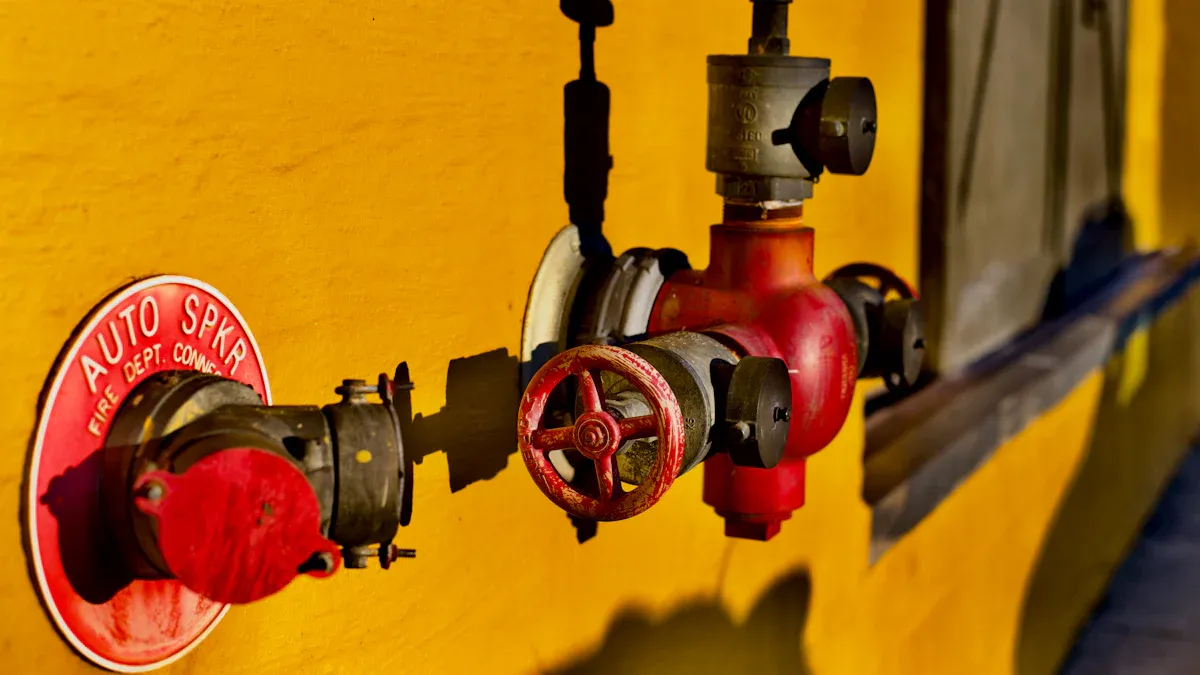
When evaluating the functionality of gate valves and ball valves in fire protection systems, several key features emerge. These features significantly influence their performance in various applications. Below is a comparison of their operational capabilities:
| Feature | Ball Valves | Gate Valves |
|---|---|---|
| Operation Speed | Rapid shut-off with a quarter-turn | Slower, requires multiple turns |
| Sealing | Excellent leak-tightness | May leak if debris accumulates |
| Flow Regulation | Primarily for on/off service | Can be used for throttling (not ideal) |
| Durability | Fewer moving parts, easier to service | More complex, may require more maintenance |
| Installation Space | Shorter height, longer length | Taller height, shorter length |
The table above illustrates that ball valves provide a rapid shut-off capability, making them suitable for emergency situations. Their design allows for a quick quarter-turn operation, which is essential in fire protection scenarios where time is critical. In contrast, gate valves require multiple turns to achieve full closure, resulting in slower operation.
In terms of sealing, ball valves excel with their leak-tight design. This feature is crucial in fire systems, where any leakage can compromise safety. Gate valves, while effective, may experience leaks if debris accumulates within the valve, potentially leading to system failures.
Flow regulation also differs between the two types. Ball valves are primarily designed for on/off service, making them less suitable for applications requiring precise flow control. Gate valves, however, can be used for throttling, although they are not ideal for this purpose.
Durability is another important aspect. Ball valves typically have fewer moving parts, which simplifies maintenance and enhances longevity. Gate valves, on the other hand, are more complex and may require more frequent servicing.
Operation Mechanism of Fire Protection Valves
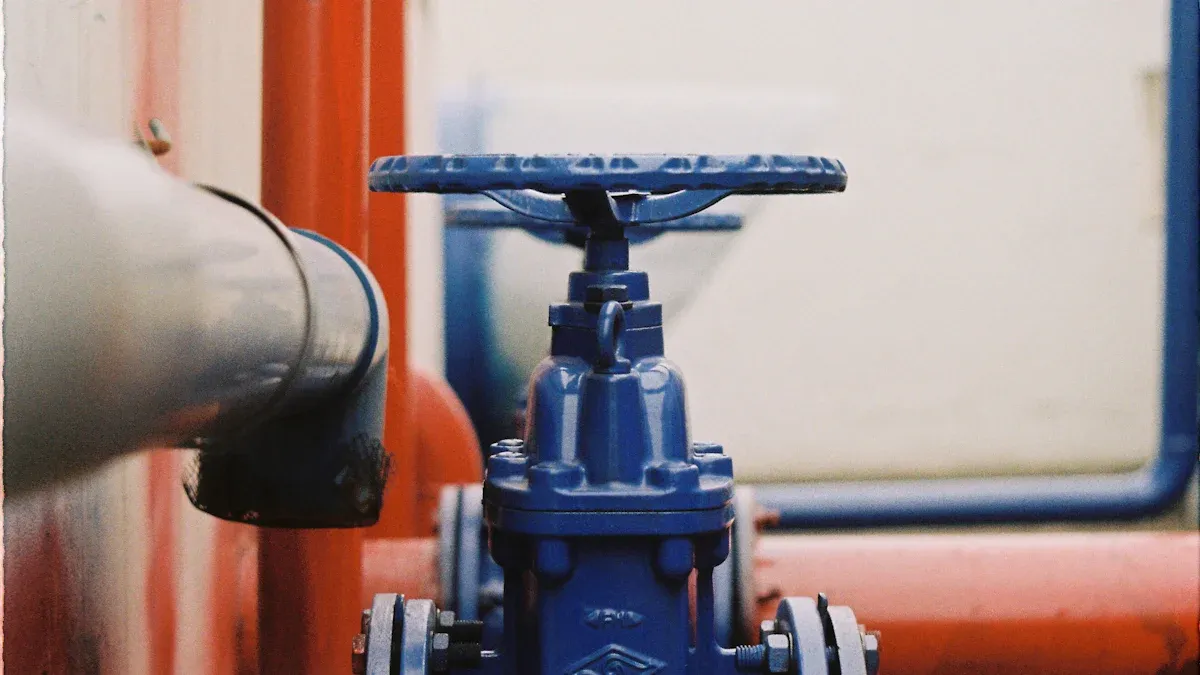
Fire protection valves operate based on distinct mechanisms that influence their performance in emergency situations. Understanding these mechanisms helps in selecting the right valve for specific applications.
- Ball Valves: These valves enable quick operation with a 90-degree turn. This design allows for rapid shut-off, which is crucial during emergencies. When the valve is turned, a spherical disc inside the valve rotates to either block or allow fluid flow. This straightforward mechanism ensures minimal resistance and a low pressure drop, making ball valves ideal for fire protection systems.
- Gate Valves: In contrast, gate valves utilize a sliding gate that moves perpendicular to the fluid’s direction. This design allows for excellent flow control when starting and stopping liquids in a pipeline. When the valve is fully open, the liquid flows straight through with little turbulence or pressure loss. However, gate valves require multiple turns to fully open or close, which can delay response times in critical situations.
The choice between manual and automatic operation also impacts valve performance. Automatic valves enhance operational accuracy and reduce human error, which is vital during emergencies like fires. Manual valves, while reliable, may lead to inconsistencies and require skilled personnel to operate effectively. This reliance on human intervention can compromise the effectiveness of fire suppression systems.
Flow Characteristics of Gate and Ball Valves
Understanding the flow characteristics of gate and ball valves is essential for selecting the right valve for fire protection systems. Each valve type exhibits unique behaviors that affect fluid dynamics.
Gate Valves
- Flow Path: Gate valves provide a straight flow path when fully open. This design minimizes turbulence and pressure loss, allowing for efficient fluid movement.
- Throttling Capability: While gate valves can control flow, they are not ideal for throttling. Their design is primarily for on/off service, which means they perform best when fully open or closed.
- Pressure Drop: When partially open, gate valves can create significant pressure drops. This characteristic can hinder system performance, especially in emergency situations.
Ball Valves
- Flow Path: Ball valves also offer a straight flow path. The spherical disc inside rotates to allow or block fluid flow, ensuring minimal resistance.
- Quick Operation: With a simple quarter-turn operation, ball valves enable rapid flow control. This feature is crucial during emergencies, where every second counts.
- Pressure Drop: Ball valves maintain a low pressure drop, even when fully open. This efficiency enhances overall system performance, making them suitable for fire protection applications.
Tip: When selecting a valve for fire systems, consider the flow characteristics. Ball valves excel in quick response situations, while gate valves provide reliable shut-off capabilities.
Advantages of Gate Valves
Gate valves offer several advantages that make them a preferred choice in fire protection systems. Their design and functionality contribute significantly to the effectiveness and reliability of these systems. Here are some key benefits:
- High Flow Capacity: Gate valves allow for efficient water delivery during emergencies. Their design minimizes flow restriction, ensuring that water can flow freely when needed most.
- Durability and Longevity: Constructed from robust materials, gate valves can withstand high pressures and temperatures. This durability ensures reliable operation in critical situations, making them a dependable component of fire protection systems.
- Ease of Operation and Maintenance: Gate valves are simple to operate, requiring only a few turns to open or close. This simplicity allows for quick response times during emergencies. Additionally, their straightforward design facilitates easier maintenance, reducing downtime and ensuring that the system remains operational.
- Leak Prevention: Gate valves are engineered to prevent leaks, which is crucial for maintaining safety in fire protection applications. Their sturdy seat materials and heat-resistant body structures help guard against leaks that could exacerbate fire risks.
- Standardized Reliability: Organizations like ISO and API conduct standardized testing to confirm the reliability of gate valves in fire scenarios. These tests ensure that gate valves can withstand high temperatures and pressure changes, providing peace of mind for system operators.
Cost-Effectiveness of Gate Valves
Gate valves offer significant cost advantages in fire protection systems, particularly when considering both initial purchase and long-term operational expenses. The typical costs associated with gate valves are notably lower than those of ball valves. For instance, the average cost for an 8″ Class 300 gate valve ranges from $12,000 to $18,000, while a comparable ball valve can cost between $45,000 and $75,000. This substantial price difference makes gate valves a more budget-friendly option for many fire protection applications.
| Valve Type | Typical Cost (8″ Class 300) | Typical Cost (24″) |
|---|---|---|
| Gate Valve | $12K-18K | $12K-18K |
| Ball Valve | $45K-75K | $45K-75K |
In addition to lower initial costs, gate valves can positively impact overall fire system budgets through reduced installation expenses. Consider the following points regarding installation costs:
- Low-quality gate valves can lead to premature failures, resulting in additional labor and equipment costs for excavation and repair.
- Replacement material costs increase due to the need for new valves.
- Water damage or erosion can occur if a valve fails, affecting surrounding infrastructure.
- Downtime costs arise when the system is out of service due to valve issues.
- Scheduling delays for repairs disrupt other jobs and operations.
- New permits may be required for replacements, adding to costs.
- Leakage from poor-quality valves can lead to non-revenue water losses.
- Public disruption and traffic issues may occur during repairs.
- Reputation damage can result from frequent valve replacements.
- Health and safety risks may arise from leaky valves or hazardous materials.
- Disposal costs for old materials add to the overall expense.
By investing in high-quality gate valves, organizations can mitigate these risks and ensure a more cost-effective fire protection system over time.
Durability of Gate Valves
Gate valves are known for their robust construction and long-lasting performance in fire protection systems. Their durability plays a crucial role in ensuring reliable operation during emergencies. The typical lifespan of gate valves varies based on the materials used:
- Stainless Steel Valves: These valves can last over 20 years, making them an excellent choice for long-term applications.
- Brass Valves: These generally last between 10 to 15 years, providing a reliable option for various fire protection needs.
Several environmental factors can significantly impact the durability of gate valves. Understanding these factors helps in selecting the right valve for specific applications. The table below summarizes the effects of different environmental conditions:
| Environmental Factor | Impact on Durability |
|---|---|
| Extreme Temperatures | Can cause leaks or malfunctions due to expansion or contraction of metal components. |
| Humidity | Accelerates rust formation in materials that are not corrosion-resistant. |
| Pressure | Continuous high pressure can lead to wear on internal parts, increasing failure risk. |
To maximize the lifespan of gate valves, proper installation and regular maintenance are essential. Operators should monitor environmental conditions and perform routine checks to identify potential issues early. By addressing these factors, organizations can enhance the reliability of their fire protection systems.
Disadvantages of Gate Valves
Gate valves, while beneficial in many applications, have several disadvantages that can impact their effectiveness in fire protection systems. Understanding these limitations is crucial for making informed decisions. Here are some key drawbacks:
- Not Suitable for Throttling: Gate valves do not perform well when partially opened. This limitation can lead to damage over time, making them unsuitable for flow regulation.
- Slow Operation: The operation of gate valves is relatively slow. They require multiple turns to fully open or close, which can delay activation during emergencies.
- Large Installation Space Required: Gate valves typically need more space for installation compared to other valve types. This requirement can pose challenges in compact systems where space is limited.
- High Maintenance Difficulty: Maintaining gate valves, especially large-diameter ones, can be challenging. This complexity often leads to increased maintenance costs and downtime.
- Susceptible to Obstruction: Gate valves can become obstructed by particles in the fluid. This obstruction can prevent the valve from achieving full closure, compromising system integrity.
The table below summarizes how these limitations can affect fire system reliability:
| Limitation Type | Description |
|---|---|
| Slow Operation | The operation of gate valves is slow, requiring multiple turns to open or close, which can delay activation in emergencies. |
| Limited Throttling | Gate valves are not designed for throttling, leading to potential flow control issues in fire systems. |
| Prone to Cavitation | Gate valves can experience cavitation, which may damage the valve and compromise system reliability. |
These disadvantages highlight the importance of carefully considering the application of gate valves in fire protection systems. While they offer certain advantages, their limitations can significantly impact overall system performance and reliability.
Slower Operation of Gate Valves
Gate valves are known for their slower operation compared to ball valves. This characteristic can significantly impact emergency response in fire protection systems. When firefighters need to act quickly, every second counts. The slower operation of gate valves can lead to delays that hinder effective firefighting efforts.
- Pressure Buildup Delays: Slow valve operation can delay pressure buildup in systems, especially in tall structures. This delay can reduce the effectiveness of firefighting efforts on upper floors. Firefighters may struggle to achieve adequate water pressure when they need it most.
- Manual Operation Challenges: Many gate valves require manual operation. This process can be cumbersome, particularly in high-stress situations. Firefighters may face difficulties in quickly turning the valve, leading to further delays. In isolated locations, these delays can be critical, as they may prevent timely access to water supply.
The design of gate valves necessitates multiple turns to fully open or close. This requirement can slow down the response time during emergencies. Firefighters often prefer valves that allow for rapid operation, such as ball valves, which can be turned with a simple quarter-turn.
Maintenance Challenges of Gate Valves
Gate valves present several maintenance challenges that can impact their reliability in fire protection systems. Regular upkeep is essential to ensure these valves function correctly during emergencies. Below are some common maintenance issues associated with gate valves:
- Dirt Ingress: If dirt enters the valve, it can prevent complete closure, leading to leaks. This situation compromises the system’s integrity and safety.
- Seal Wear: Frequent use necessitates regular checks on the seals inside the valve. Over time, seals can wear out, increasing the risk of leaks.
- Improper Use: Using gate valves for throttling can accelerate wear on internal components. This misuse can lead to premature failures.
Regular inspections are crucial to prevent malfunctions. Technicians should:
- Check for leaks and signs of corrosion.
- Ensure the valve does not become stuck due to inactivity.
- Clean the valve and surrounding area to maintain proper operation.
- Monitor the effects of extreme temperatures on valve materials.
Maintenance of gate valves requires more attention compared to ball valves. The table below illustrates the differences in maintenance frequency between the two types:
| Valve Type | Maintenance Frequency | Suitability for Frequent Operation |
|---|---|---|
| Ball Valve | Low | High |
| Gate Valve | High | Low |
Taking apart a gate valve for repairs can be time-consuming and requires special tools. Old valves may accumulate rust and dirt, complicating maintenance efforts. Additionally, gate valves are often located in tight spaces, making access difficult for technicians. Addressing these challenges is vital for ensuring the reliability of fire protection systems.
Advantages of Ball Valves
Ball valves offer several significant advantages that make them a preferred choice in fire protection systems. Their design and functionality contribute to enhanced safety and operational efficiency. Below are some key benefits:
| Advantage | Description |
|---|---|
| Enhanced Safety Performance | Ball valves effectively prevent internal leaks and maintain system integrity during emergencies like fires. |
| Wide Industry Application | These valves find increasing use in high-risk industries such as petroleum, chemical, metallurgy, and power. |
| Reduced Maintenance Costs | Ball valves lower potential maintenance and replacement costs due to their reduced risk of leaks and fires. |
In addition to these advantages, ball valves improve operational efficiency in fire system applications through various means:
- Enhanced Safety: These valves significantly reduce the risk of leaks or ruptures during fire emergencies, protecting the environment from hazardous material release.
- Operational Reliability: They ensure that critical processes can be controlled even in fire situations, preventing escalation of emergencies.
- Reduced Downtime: Fire-safe valves are more likely to survive fire incidents, minimizing the need for replacements and associated operational disruptions.
The combination of these factors makes ball valves an excellent choice for fire protection systems. Their ability to provide quick shut-off, maintain system integrity, and reduce maintenance needs enhances overall safety and reliability. As industries continue to prioritize safety and efficiency, the adoption of ball valves in fire protection systems is likely to grow.
Quick Operation of Ball Valves
Ball valves are renowned for their rapid operation, making them an essential component in fire protection systems. Their design allows for quick activation, which is crucial during emergencies. Firefighters often face time-sensitive situations where every second counts. The ability to swiftly shut off or open a valve can significantly impact firefighting efforts.
The quick operation of ball valves offers several key benefits:
- Unwavering Flow Control: Ball valves ensure reliable water flow, which is critical for effective firefighting. Their design allows for immediate access to water supply, enabling firefighters to respond promptly to emergencies.
- Minimizing Pressure Drop: These valves help maintain water pressure, ensuring that water reaches the firefighting hoses effectively. A consistent pressure level is vital for delivering adequate water flow to combat fires.
- Leak-proof Sealing: The construction of ball valves prevents leaks, safeguarding against water loss that could hinder firefighting efforts. This leak-proof feature ensures that the maximum amount of water is available when needed.
The operational efficiency of ball valves stems from their simple quarter-turn mechanism. This design allows operators to transition from fully closed to fully open in just a few seconds. In contrast, other valve types may require multiple turns, leading to delays that can compromise safety.
In high-stress situations, the ease of operation becomes paramount. Firefighters can quickly engage ball valves without extensive training or experience. This accessibility enhances overall system reliability and effectiveness.
Low Pressure Drop of Ball Valves
Ball valves are known for their low pressure drop, which significantly benefits fire protection systems. This characteristic stems from their design, particularly in full-bore models. These valves feature a straight-through flow path, allowing fluid to pass with minimal resistance. As a result, they maintain high flow rates, which is crucial during emergencies.
- Full Port Ball Valves: These valves have a bore diameter equal to that of the pipe. They experience very little pressure drop when open, making them ideal for high flow requirements.
- Reduced Port Ball Valves: In contrast, reduced-bore ball valves have a smaller port diameter. This design leads to a pressure drop of 5% to 15%, which can hinder performance in systems requiring moderate flow.
The table below summarizes the impact of bore diameter on pressure drop and flow suitability:
| Valve Type | Bore Diameter Comparison | Pressure Drop Impact | Flow Suitability |
|---|---|---|---|
| Full Port Ball Valve | Equal to pipe diameter | Very little | High flow requirements |
| Reduced Port Ball Valve | Smaller than pipe diameter | 5%-15% reduction | Moderate flow requirements |
Low pressure drop in ball valves enhances water flow in fire system pipelines. This efficiency ensures that firefighters receive adequate water supply quickly, which is vital for effective firefighting. The ability to maintain pressure during operation allows for consistent water delivery, even in high-demand situations.
Disadvantages of Ball Valves
While ball valves offer numerous advantages, they also present several disadvantages that can affect their performance in fire protection systems. Understanding these limitations is crucial for making informed decisions. Here are some key drawbacks:
- Inability to Provide Gradual Shut-off: Ball valves operate with a quarter-turn action. This rapid shut-off can lead to sudden pressure changes, potentially damaging systems like fire protection sprinklers. Such abrupt shifts in pressure may compromise the integrity of the entire system.
- Corrosion and Erosion Issues: Depending on the material used, ball valves can corrode or erode when exposed to harsh substances. This deterioration can result in leaks and reduced performance over time. Operators must consider the fluid characteristics to mitigate these risks.
- Difficulty in Handling Dirty Fluids: Ball valves struggle with fluids containing solids or debris. These contaminants can prevent proper sealing, leading to leakage. In fire protection systems, where reliability is paramount, this limitation can pose significant challenges.
- Higher Initial Costs: Compared to gate valves, ball valves typically have a higher initial purchase price. This cost factor can deter some organizations from choosing them, especially when budget constraints exist.
- Limited Throttling Capability: Ball valves are primarily designed for on/off service. They do not perform well when used for throttling applications. This limitation can hinder flow regulation in certain scenarios, making them less versatile than other valve types.
Higher Initial Cost of Ball Valves
Ball valves typically come with a higher initial cost than gate valves. This price difference can influence purchasing decisions for fire protection systems. Organizations must weigh the benefits against the financial implications. Here are some key points regarding the costs associated with ball valves:
- Material Quality: Ball valves often use high-quality materials, such as stainless steel or brass. These materials enhance durability but increase production costs.
- Complex Design: The design of ball valves includes more intricate components, which can drive up manufacturing expenses.
- Performance Features: Ball valves offer superior sealing capabilities and quick operation. These features justify the higher price for many applications.
Cost Comparison Table
| Valve Type | Initial Cost Range (8″ Class 300) | Initial Cost Range (24″) |
|---|---|---|
| Gate Valve | $12K – $18K | $12K – $18K |
| Ball Valve | $45K – $75K | $45K – $75K |
Tip: When budgeting for fire protection systems, consider both the initial costs and the long-term benefits of each valve type.
Despite the higher upfront costs, ball valves can provide long-term savings. Their durability and low maintenance requirements often lead to reduced operational costs over time. Organizations should evaluate their specific needs and budget constraints before making a decision.
Limited Flow Control of Ball Valves
Ball valves primarily serve as on/off devices. Their design limits their ability to provide precise flow control. This limitation can impact their effectiveness in certain fire protection applications. Here are some key points regarding the flow control capabilities of ball valves:
- On/Off Functionality: Ball valves excel at quickly shutting off or allowing fluid flow. However, they do not perform well when operators need to adjust flow rates gradually.
- Throttling Issues: When partially opened, ball valves can create turbulence. This turbulence can lead to pressure drops and inconsistent flow rates. Such behavior can hinder the performance of fire suppression systems.
- Flow Regulation: Ball valves are not suitable for applications requiring fine flow regulation. Their design does not allow for gradual adjustments. This limitation can be problematic in scenarios where precise water delivery is essential.
Tip: For applications that require flow modulation, consider using gate valves or other valve types designed for throttling.
The table below summarizes the flow control capabilities of ball valves compared to gate valves:
| Valve Type | Flow Control Capability | Ideal Use Case |
|---|---|---|
| Ball Valve | Limited | On/off service |
| Gate Valve | Moderate | Throttling and flow regulation |
Applications in Fire Systems
Fire protection valves play a critical role in various applications within fire protection systems. Their selection depends on specific operational requirements and the nature of the fire protection strategy. Below are some key applications for both gate valves and ball valves in fire systems:
1. Fire Sprinkler Systems
Fire sprinkler systems utilize both gate and ball valves to control water flow. Gate valves serve as the main shut-off valves, allowing for complete closure during maintenance or emergencies. Ball valves, on the other hand, provide quick access to water supply, enabling rapid response during fire incidents.
2. Standpipe Systems
Standpipe systems, commonly found in commercial buildings, rely on fire protection valves to ensure adequate water supply for firefighting efforts. Gate valves are often used to isolate sections of the system, while ball valves facilitate quick operation for immediate water access.
3. Fire Hydrant Systems
Fire hydrant systems require reliable and efficient valves to ensure firefighters can access water quickly. Gate valves are typically installed at the main supply line to control water flow to hydrants. Ball valves may also be used for quick shut-off in emergency situations.
4. Deluge and Pre-Action Systems
In deluge and pre-action fire suppression systems, fire protection valves play a vital role in controlling water flow to sprinkler heads. Gate valves can isolate sections of the system for maintenance, while ball valves allow for rapid activation of water flow when needed.
5. Industrial Applications
In industrial settings, fire protection valves are essential for safeguarding against fire hazards. Gate valves are often used in high-pressure applications, while ball valves are favored for their quick operation and low pressure drop, making them suitable for various fire suppression systems.
6. Residential Fire Protection
Residential fire protection systems also benefit from the use of fire protection valves. Gate valves provide reliable shut-off capabilities, while ball valves ensure quick access to water supply for firefighting efforts.
Tip: When selecting valves for fire protection systems, consider the specific application and operational requirements. Each valve type offers unique advantages that can enhance system performance.
Suitable Scenarios for Gate Valves
Gate valves are particularly effective in various scenarios within fire protection systems. Their design and functionality make them suitable for specific applications where reliable flow control is essential. Below are some ideal situations for using gate valves:
- Main Water Supply Isolation: Gate valves serve as the primary shut-off mechanism for the main water supply in fire protection systems. They allow for complete closure during maintenance or emergencies, ensuring that the system remains safe and operational.
- High-Pressure Applications: In environments where high pressure is a concern, gate valves excel. Their robust construction can withstand significant pressure without compromising performance. This durability makes them ideal for industrial settings.
- Large-Diameter Pipelines: Gate valves are often used in large-diameter pipelines where flow control is necessary. Their design minimizes flow restriction, allowing for efficient water delivery during emergencies.
- Fire Hydrant Systems: Gate valves are commonly installed in fire hydrant systems. They provide reliable isolation of the water supply, ensuring that firefighters can access water quickly when needed.
- Standpipe Systems: In standpipe systems, gate valves allow for the isolation of specific sections. This capability is crucial for maintenance and ensures that other parts of the system remain operational.
Tip: When selecting gate valves for fire protection systems, consider the specific application and operational requirements. Their ability to provide reliable shut-off and withstand high pressures makes them a valuable component in various scenarios.
Suitable Scenarios for Ball Valves
Ball valves are particularly effective in various scenarios within fire protection systems. Their design and operational efficiency make them suitable for specific applications where quick response and reliability are essential. Below are some ideal situations for using ball valves:
- Emergency Shut-off: Ball valves excel in situations requiring rapid shut-off. Their quarter-turn operation allows for immediate closure, which is critical during fire emergencies. Firefighters can quickly access water supply, ensuring a swift response.
- High-Pressure Systems: In high-pressure environments, ball valves maintain their integrity and performance. Their robust construction withstands significant pressure, making them ideal for industrial applications where safety is paramount.
- Water Supply Lines: Ball valves are commonly used in water supply lines for fire protection systems. Their ability to provide leak-proof sealing ensures that water remains contained, preventing wastage and maintaining system efficiency.
- Sprinkler Systems: In fire sprinkler systems, ball valves facilitate quick activation. They allow for immediate water flow to sprinkler heads, enhancing the effectiveness of fire suppression efforts.
- Deluge Systems: Ball valves play a crucial role in deluge systems, where rapid water release is necessary. Their design enables quick operation, ensuring that water reaches the intended areas without delay.
Tip: When selecting ball valves for fire protection systems, consider their quick operation and low pressure drop. These features enhance overall system performance and reliability.
| Application Type | Key Benefit |
|---|---|
| Emergency Shut-off | Rapid response during fires |
| High-Pressure Systems | Maintains integrity under pressure |
| Water Supply Lines | Prevents leaks and wastage |
| Sprinkler Systems | Immediate water flow activation |
| Deluge Systems | Quick water release for suppression |
Overall Effectiveness in Fire Systems
The effectiveness of fire protection valves significantly impacts the performance of fire safety systems. Both gate valves and ball valves play crucial roles in ensuring reliable water flow during emergencies. Their unique characteristics contribute to the overall efficiency of fire suppression efforts.
Gate valves excel in applications requiring complete flow shut-off. They provide a reliable means to isolate sections of a fire protection system. This capability is essential during maintenance or emergencies. Gate valves allow for high flow capacity, ensuring that water reaches critical areas when needed. Their robust construction withstands high pressures, making them suitable for various environments.
On the other hand, ball valves offer rapid operation and low pressure drop. Their quarter-turn mechanism allows for quick access to water supply, which is vital during fire incidents. Firefighters can swiftly activate ball valves, ensuring immediate water flow. This quick response can make a significant difference in controlling fires effectively. Additionally, ball valves maintain leak-proof sealing, preventing water loss and enhancing system reliability.
Performance in Emergencies
In emergency situations, the performance of fire protection valves becomes critical. Both gate valves and ball valves play distinct roles in ensuring effective firefighting efforts. Their operational characteristics can significantly influence the outcome of fire suppression activities.
Gate Valves
Gate valves provide reliable shut-off capabilities. They excel in applications where complete flow control is necessary. However, their slower operation can hinder response times during emergencies. Firefighters may face delays when attempting to open or close these valves, as they require multiple turns. This limitation can be detrimental in situations where every second counts.
Ball Valves
In contrast, ball valves offer rapid operation. Their quarter-turn mechanism allows for immediate access to water supply. This quick activation is essential during fire incidents, where time is of the essence. Firefighters can swiftly engage ball valves, ensuring that water flows to the necessary areas without delay. Additionally, ball valves maintain low pressure drops, which helps sustain water pressure throughout the system.
Summary of Performance
- Gate Valves: Reliable for complete shut-off but slower to operate.
- Ball Valves: Quick to activate, ensuring immediate water flow and maintaining pressure.
Long-Term Reliability of Fire Protection Valves
Long-term reliability is crucial for fire protection valves, as these components play a vital role in ensuring safety during emergencies. Both gate and ball valves exhibit unique characteristics that influence their reliability over time.
Gate Valves
- Durability: Gate valves often feature robust materials, such as stainless steel or brass. These materials enhance their ability to withstand high pressures and temperatures, contributing to their longevity.
- Maintenance Requirements: Regular maintenance is essential for gate valves. Operators should inspect seals and internal components to prevent leaks. Neglecting maintenance can lead to reduced reliability and potential failures during critical moments.
Ball Valves
- Low Maintenance Needs: Ball valves typically require less maintenance than gate valves. Their design minimizes wear and tear, allowing them to function effectively for extended periods.
- Corrosion Resistance: Many ball valves utilize corrosion-resistant materials. This feature enhances their reliability, especially in environments exposed to harsh chemicals or extreme conditions.
Tip: To maximize the long-term reliability of fire protection valves, organizations should implement a routine inspection schedule. Regular checks can identify potential issues before they escalate, ensuring that valves remain operational when needed.
Both gate and ball valves offer distinct advantages and disadvantages in fire protection systems.
- Gate valves excel in providing reliable shut-off capabilities and high flow capacity.
- Ball valves stand out for their quick operation and low pressure drop.
Ultimately, the choice between these valves hinges on specific fire system needs and operational requirements.
Tip: Assess the unique demands of each application to determine the most suitable valve type for optimal performance.
FAQ
What is the primary difference between gate valves and ball valves?
Gate valves provide reliable on/off control, while ball valves offer quicker operation with minimal pressure drop. This makes ball valves more suitable for emergency situations.
Are gate valves suitable for throttling applications?
Gate valves can be used for throttling, but they are not ideal for this purpose. Their design is primarily for complete flow shut-off.
How often should fire protection valves be maintained?
Regular maintenance is essential for both gate and ball valves. Technicians should inspect them at least once a year to ensure proper functionality and prevent leaks.
Can ball valves handle dirty fluids?
Ball valves struggle with fluids containing solids or debris. Contaminants can prevent proper sealing, leading to potential leaks in fire protection systems.
What factors influence the choice between gate and ball valves?
The choice depends on specific application needs, such as required response time, flow control, and pressure conditions. Evaluate these factors to determine the best valve type.
Post time: Mar-20-2026