


Fire fighting valves are critical components in fire protection systems, designed to control the flow of water or other extinguishing agents. These UL FM approved fire valves ensure that these systems operate efficiently during emergencies, minimizing damage and saving lives. The significance of fire control valve types extends beyond mere functionality; they play a vital role in enhancing safety across various environments, particularly in high-risk areas such as industrial and commercial settings.
Recent data shows that manufacturing and industrial sites accounted for 30.5% of losses in large-loss fires in 2022, emphasizing the financial and safety implications of effective fire protection gate valve factory measures.
Fire valves not only comply with safety standards but also facilitate optimal flow control, crucial for effective fire suppression. When considering what valves are used in fire systems, it is essential to understand the differences between check and ball valve, as each serves a unique purpose in maintaining system integrity.
Key Takeaways
- Fire valves are essential for controlling water flow in fire protection systems, ensuring effective fire suppression during emergencies.
- Regular maintenance and inspections of fire valves are crucial to prevent failures and ensure compliance with safety standards.
- Understanding different types of fire valves, such as gate and check valves, helps in selecting the right components for reliable fire protection.
- Compliance with industry standards, like NFPA, enhances the safety and functionality of fire protection systems, protecting lives and property.
- Proper integration of fire valves with other system components, like pumps and alarms, significantly improves overall system performance and response times.
Types of Fire Valves
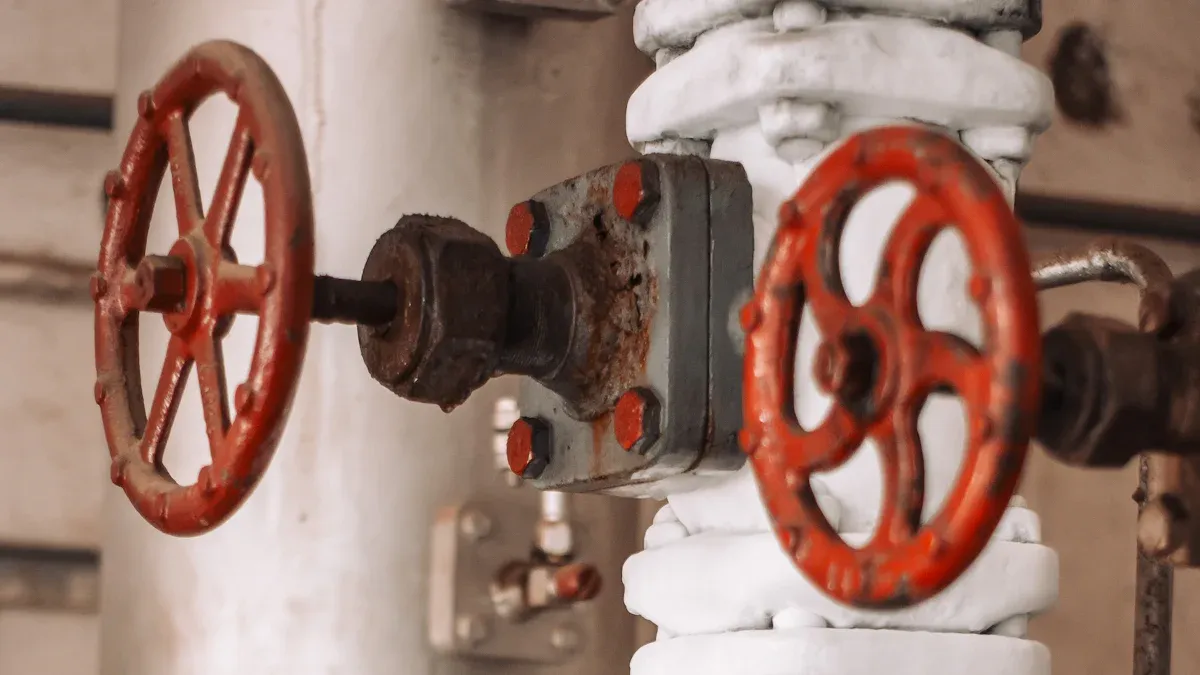
Fire protection systems utilize various types of valves, each designed to serve specific functions. Understanding these types helps ensure effective fire suppression and system reliability. Below is a detailed overview of the main types of fire valves:
| Type of Valve | Function |
|---|---|
| Gate Valves | Control the flow of water and isolate sections of the system during emergencies. |
| Butterfly Valves | Regulate flow with a compact design, ideal for large diameter pipes. |
| Ball Valves | Allow or prevent water flow quickly, known for reliability and ease of operation. |
| Check Valves | Prevent backflow and maintain pressure in the system. |
| Pressure Reducing Valves | Automatically adjust water pressure to ensure effective fire suppression. |
Gate Valves
Gate valves are essential in fire protection systems. They provide full flow capacity, allowing unobstructed water flow when fully open. This feature is crucial for delivering large volumes of water quickly during a fire emergency. Gate valves also maintain a low pressure drop, which is vital for the effective operation of fire-fighting equipment. However, they require multiple turns to open or close, potentially delaying response times in emergencies. Their simple design reduces the risk of mechanical failure, making them reliable.
Butterfly Valves
Butterfly valves offer a compact design, making them suitable for large diameter pipes. They regulate flow efficiently and are often used in systems where space is limited. Their quick operation allows for rapid flow control, which is beneficial in emergency situations. However, they may not provide the same level of sealing as other valve types, which can lead to leakage if not properly maintained.
Ball Valves
Ball valves are known for their reliability and ease of operation. They allow for quick opening and closing, making them ideal for situations requiring immediate flow control. Their design minimizes pressure loss, ensuring efficient water delivery. However, ball valves may not be suitable for throttling applications, as partially opening them can lead to wear and reduced lifespan.
Check Valves
Check valves play a critical role in preventing backflow within fire protection systems. They maintain pressure and ensure that water flows in the correct direction. This function is vital for system integrity, especially in complex installations. While check valves are generally low maintenance, they can fail if debris accumulates, leading to potential system issues.
Pressure Reducing Valves
Pressure reducing valves automatically adjust water pressure to ensure effective fire suppression. They help maintain optimal pressure levels, which is crucial for the performance of fire-fighting equipment. These valves can be particularly beneficial in systems where water supply pressure fluctuates. However, they require regular maintenance to ensure proper functionality.
Control Valves
Control valves play a pivotal role in fire protection systems. They regulate water flow and pressure, ensuring that fire fighting systems operate effectively during emergencies. These valves enhance system performance and contribute to overall safety.
Control valves operate based on specific technical specifications that optimize their functionality. The following table outlines key specifications:
| Specification | Details |
|---|---|
| Flow Capacity | Increases flow capacity by up to 40% (Cv = up to 3,801) |
| Water Hammer | No water hammer at closing, smooth operation |
| Pressure Rating | Highest cULus Listed and FM Approved – 365 psi |
| Maintenance | Up to eight times faster due to rolling elastomeric diaphragm design |
| Flow Stability | Industry-leading flow stability without anti-cavitation accessory required |
Control valves find application in various scenarios within fire protection systems. They serve multiple purposes, as illustrated in the table below:
| Application | Description |
|---|---|
| Water Supply Control | Zone control valves manage the water supply during fire events, ensuring efficient firefighting. |
| Isolation of Fire Zones | They isolate water flow to affected areas, preventing unnecessary damage to unaffected zones. |
| Compliance with Safety Standards | These valves comply with NFPA standards, enhancing safety for buildings and occupants during fires. |
| Maintenance Facilitation | They facilitate easier maintenance and system testing, ensuring the fire protection system is reliable. |
Check Valves
Check valves are essential components in fire protection systems. They ensure that water flows in only one direction, effectively preventing backflow. This function is critical for maintaining system integrity and protecting potable water supplies from contamination.
Key features of check valves include:
- One-Way Flow: Check valves allow water to flow in a single direction, which prevents backflow.
- Backflow Prevention: They are integral to backflow preventers, which safeguard against contamination in fire protection systems.
- Redundancy: Many systems incorporate two one-way valves. This redundancy ensures that if one valve fails, the other can still protect the water supply.
- Independent Operation: Check valves operate independently with a differential pressure-relief valve, enhancing their effectiveness in preventing backflow.
The importance of check valves extends beyond their basic function. They contribute significantly to the overall safety and reliability of fire fighting systems. By preventing backflow, they help maintain the pressure within the system, ensuring that fire fighting valves operate efficiently when needed.
Regular maintenance of check valves is crucial. Accumulated debris can lead to valve failure, which may compromise the entire fire protection system. Routine inspections help identify potential issues before they escalate, ensuring that the system remains functional and compliant with safety standards.
Pressure Relief Valves
Pressure relief valves are critical safety devices in fire protection systems. They maintain safe operating conditions by preventing dangerous overpressure situations. These valves consist of three main components: the valve seat, sensing element, and reference force element. Together, these components automatically release excess pressure when it exceeds safe levels.
The primary function of pressure relief valves is to control or limit pressure within a system. Pressure can increase due to various factors, such as equipment failure or external fires. By allowing pressurized fluid to escape through an auxiliary passage, these valves help maintain safe operating conditions and prevent catastrophic failures.
Key features of pressure relief valves include:
- Automatic Operation: They activate without manual intervention, ensuring immediate response to pressure changes.
- Safety Assurance: These valves protect against overpressure, which can lead to system damage or failure.
- Reliability: Regular maintenance ensures that pressure relief valves function correctly when needed.
The recommended pressure settings for pressure relief valves in fire protection systems are crucial for optimal performance. The following table outlines typical pressure ratings:
| Pressure Rating | Open Pressure Range | Close Pressure |
|---|---|---|
| 175 psi | 158 psi (90%) – 184 psi (105%) | Above 140 psi (80%) |
By adhering to these pressure settings, fire fighting valves can operate effectively, ensuring the safety and reliability of the entire fire protection system. Regular inspections and maintenance of pressure relief valves are essential to ensure they function correctly and provide the necessary protection during emergencies.
Alarm Valves
Alarm valves serve a critical function in fire protection systems. They detect fire events and alert occupants, ensuring timely responses during emergencies. When a fire occurs, these valves activate the fire alarm system, notifying both building occupants and local fire departments. The internal clapper assembly opens upon sprinkler activation, allowing water flow to suppress the fire effectively. This connection to the building’s fire alarm system triggers audible alarms, ensuring everyone is aware of the danger.
The technical requirements for alarm valves align with NFPA standards. These standards ensure that alarm valves operate reliably and efficiently. Key requirements include:
- Gauges must indicate that normal supply water pressure is maintained.
- Valves and trim should be free of physical damage.
- All valves must be in the appropriate open or closed position.
- The retarding chamber or alarm drains must not leak.
Additionally, alarm valves and their associated strainers, filters, and restriction orifices require internal inspections every five years. This frequency ensures that the components function correctly and meet safety standards.
Regular maintenance of alarm valves is essential for optimal performance. Neglecting these components can lead to failures during critical moments. Fire fighting valves, including alarm valves, must be part of a comprehensive maintenance plan to ensure they operate effectively when needed.
Functions of Fire Valves

Fire valves serve several essential functions in fire protection systems. Their design and operation directly impact the effectiveness of fire suppression efforts. Understanding these functions helps ensure that fire fighting systems operate efficiently during emergencies. Below is a table summarizing the primary functions of fire valves:
| Function | Description |
|---|---|
| Control Water Flow | Fire valves manage the flow of water and fire suppression agents to effectively combat fires. |
| Prevent Backflow | They ensure a one-way flow to avoid contamination of the water supply and maintain system integrity. |
| Compliance with Standards | Fire valves must meet industry regulations to ensure reliability and safety during emergencies. |
Control Water Flow
Fire valves play a crucial role in controlling water flow within fire protection systems. They regulate the amount of water or extinguishing agents delivered to the fire, ensuring that firefighters have the necessary resources to combat flames effectively. By managing flow rates, these valves help optimize the performance of fire fighting equipment, allowing for rapid response during emergencies.
Prevent Backflow
Another vital function of fire valves is preventing backflow. Backflow can lead to contamination of the water supply, posing significant health risks. Fire valves maintain a one-way flow, ensuring that water moves only in the intended direction. This feature is essential for protecting potable water sources and maintaining the integrity of the entire fire protection system.
Compliance with Standards
Fire valves must comply with various industry standards to ensure their reliability and safety. Compliance with regulations, such as those set by the National Fire Protection Association (NFPA), guarantees that these valves function correctly during emergencies. Adhering to these standards not only enhances safety but also instills confidence in the effectiveness of fire protection systems.
Flow Control
Flow control is a critical function of fire valves in fire protection systems. These valves regulate the flow of water or extinguishing agents, ensuring that firefighters have adequate resources to combat fires effectively. Proper flow control is essential for maintaining sufficient water volume and pressure during emergencies. According to NFPA 1, an approved water supply is necessary for fire protection, which includes calculating fire flow for system design.
Fire valves achieve flow control through various mechanisms. They can adjust the flow rate based on system requirements, ensuring that the firefighting efforts are both efficient and effective. Key aspects of flow control include:
- Adequate Water Volume: Fire valves must deliver enough water to suppress flames effectively.
- Pressure Maintenance: Maintaining pressure is crucial for the performance of firefighting equipment.
To ensure optimal flow control, best practices should be followed. Regular inspections are vital for maintaining valve functionality. Recommended practices include:
- Conduct weekly inspections for valves without locks, seals, or supervisory devices.
- Perform monthly inspections for locked or sealed open valves.
- Schedule quarterly inspections for valves with electronic supervision.
Additionally, proper installation and maintenance practices enhance flow control. Consider the following:
- Location: Install OS&Y valves in easily accessible areas for operation and maintenance.
- Sizing: Choose the correct valve size to ensure optimal flow control.
- Orientation: Follow manufacturer guidelines for proper installation orientation.
- Systematic Testing: Conduct systematic testing post-installation to verify correct operation.
By adhering to these practices, fire protection systems can maintain effective flow control, ensuring safety and reliability during emergencies. Regular maintenance and inspections help identify potential issues before they escalate, safeguarding the integrity of the entire fire protection system.
Pressure Regulation
Pressure regulation is a vital function of fire valves in fire protection systems. These valves maintain optimal pressure levels, ensuring that firefighting equipment operates effectively during emergencies. Proper pressure regulation prevents both overpressure and underpressure situations, which can compromise system performance.
Fire valves achieve pressure regulation through various mechanisms. They automatically adjust water pressure based on system requirements. This adjustment is crucial for maintaining the efficiency of fire suppression efforts.
Key specifications for pressure relief valves include:
| Specification | Requirement |
|---|---|
| Relief Valve Size | At least 1/2 inch |
| Operating Pressure | 175 psi or 10 psi above maximum system pressure |
| UL Opening Pressure | No greater than 105% of rating |
| FM Opening Pressure | No less than 85% of rating |
| Closing Pressure | Below opening pressure to prevent discharge |
These specifications ensure that pressure relief valves function correctly, safeguarding the entire fire protection system.
Additionally, recommended pressure ranges for fire valves vary based on their location. The following table outlines these minimum pressure ratings:
| Component Location | Minimum Pressure Rating |
|---|---|
| Above Ground | 175 psi (12 bar) |
| Underground | 150 psi (10 bar) |
Maintaining these pressure levels is essential for the reliability of fire protection systems. Regular inspections and maintenance of pressure regulation components help identify potential issues before they escalate. By ensuring that pressure relief valves operate within specified parameters, fire protection systems can effectively respond to emergencies, enhancing safety for occupants and property alike.
System Isolation
System isolation is a critical aspect of fire protection systems. It allows for the controlled shut-off of water supply, enabling maintenance or repairs without disrupting the entire system. Fire valves play a vital role in this process, ensuring that specific sections can be isolated effectively. This capability is essential during emergencies, as it prevents complications such as water hammering, backflow, and over-pressurization. By maintaining system functionality, fire valves enhance overall safety.
Isolation valves serve specific functions within fire protection systems. They enable maintenance of particular sections without affecting the entire system. The following table outlines key aspects of isolation valves:
| Aspect | Description |
|---|---|
| Definition | Isolation valves are used in distribution systems to isolate sections for maintenance and repair. |
| Functionality | They allow for the maintenance of specific sections without affecting the entire fire protection system. |
To ensure effective isolation, certain procedures should be followed. Emergency isolation valves (EIVs) must be strategically located based on the desired amount of isolatable inventory. These valves should possess a fire-safe rating to minimize leakage and ensure operability. Additionally, they must be protected from potential explosion and fire incidents.
Key procedures for isolating sections of fire protection systems include:
- Install manual isolation valves at firewater pumps to allow for removal without impacting the entire system.
- Use indicating type valves for visibility of open or closed status.
- Implement wheel and gear type valves to prevent rapid pressure changes that can cause water hammer.
By adhering to these practices, fire protection systems can maintain their integrity and functionality during maintenance or emergencies. Proper isolation procedures not only enhance safety but also ensure that fire fighting efforts remain effective when needed.
Alarm Activation
Alarm activation is a crucial function of fire valves in fire protection systems. These valves play a significant role in detecting fire events and ensuring timely responses. When water begins to flow through the system, fire valves trigger alarms, alerting occupants and emergency services. This immediate notification can save lives and minimize property damage.
The activation process occurs swiftly. As soon as water flows through the valve, the alarm system activates. This fast response ensures that individuals in the vicinity receive alerts without delay. The table below summarizes the key functions and benefits of alarm activation:
| Function/Benefit | Description |
|---|---|
| Activation of Alarm | Triggers an alarm when water starts to flow through the system. |
| Fast Alarm Response | Instantly activates the alarm upon water flow, ensuring quick notification. |
| Reliable Pressure Maintenance | Maintains system pressure before activation, preventing leaks. |
| Backflow Prevention | Prevents contaminated water from re-entering the clean supply line. |
| Mechanical Redundancy | Functions even during power outages, ensuring reliability. |
Fire valves also maintain reliable pressure within the system before activation. This feature prevents leaks and ensures that the alarm system operates effectively. Additionally, they prevent backflow, safeguarding the clean water supply from contamination. This aspect is vital for maintaining public health and safety.
Mechanical redundancy further enhances the reliability of alarm activation. Fire valves can function even during power outages, ensuring that alarms remain operational when they are needed most. This capability underscores the importance of integrating high-quality fire valves into fire protection systems.
Compliance Standards
Compliance with established standards is crucial for fire valves in fire protection systems. These standards ensure that valves operate effectively and safely during emergencies. Several key standards govern the performance and maintenance of fire valves:
- The AWWA C502 standard sets minimum requirements for dry-barrel fire hydrants, focusing on durability and performance.
- The AWWA C503 standard details requirements for wet-barrel fire hydrants, including inspection and testing protocols.
- The NFPA emphasizes the necessity of regular fire hydrant testing to ensure reliable water sources during emergencies.
Adhering to these standards is vital for ensuring that fire hydrant valves function correctly under pressure. They must provide sufficient water flow during firefighting operations. Legal codes, such as Section 507.5 of the Fire Code, require private fire hydrant systems to meet specific operational readiness standards. This compliance guarantees that fire protection systems remain effective when needed most.
Regular inspections and maintenance play a significant role in enhancing compliance. They minimize the risk of equipment failure during emergencies. Fire protection systems must undergo routine checks to ensure all components, including valves, are in optimal working condition. Neglecting these practices can lead to serious consequences, including inadequate water supply during a fire.
NFPA Standards Overview
The National Fire Protection Association (NFPA) establishes critical standards that govern fire protection systems, including fire valves. These standards ensure that fire protection systems operate effectively and safely during emergencies. Compliance with NFPA standards is essential for maintaining the integrity of fire protection systems and safeguarding lives.
Several key NFPA standards specifically address fire valves and their applications. Understanding these standards helps professionals design and implement effective fire protection systems. The following table summarizes the most relevant NFPA standards related to fire valves:
| NFPA Standard | Description |
|---|---|
| NFPA 13 | Standard for installing sprinkler systems. |
| NFPA 14 | Standard for standpipe and hose systems. |
| NFPA 20 | Standard for stationary pumps for fire protection. |
Each of these standards plays a vital role in ensuring that fire valves function correctly within their respective systems. For instance, NFPA 13 outlines the requirements for sprinkler systems, including the specifications for valves that control water flow. NFPA 14 focuses on standpipe systems, detailing the necessary components, including valves, to ensure effective firefighting capabilities. NFPA 20 addresses the use of stationary pumps, emphasizing the importance of valves in maintaining pressure and flow during fire suppression efforts.
Adhering to these standards not only enhances the reliability of fire protection systems but also ensures compliance with local building codes. Regular inspections and maintenance of fire valves, as outlined in these standards, are crucial for optimal performance. By following NFPA guidelines, professionals can significantly improve the safety and effectiveness of fire protection systems, ultimately protecting lives and property.
Local Building Codes
Local building codes play a crucial role in regulating the installation and maintenance of fire valves within fire protection systems. These codes ensure that fire safety measures meet specific standards, enhancing the overall safety of buildings and their occupants. Compliance with these codes is essential for effective fire protection.
Key requirements outlined in local building codes include:
| Requirement | Description |
|---|---|
| Valve Placement | NFPA 24 §6.6.1 specifies when sectional control valves are necessary based on the number of fire protection connections. |
| Isolation of Connections | NFPA 24:6.2.9 mandates that all connections to private fire service mains must allow for isolation. |
| Distance from Building | Valves must be installed at least 40 ft from the building, with exceptions based on building height. |
In addition to placement and isolation, local building codes also address the operational aspects of fire valves. For instance, NFPA 25 requires that valves be fully opened and closed to ensure smooth operation. If a valve does not operate smoothly, it must be lubricated, repaired, or replaced.
Testing schedules for fire valves vary according to the classification of the fire protection system:
- Class I and III systems require annual testing.
- Class II systems necessitate testing every three years.
These regulations ensure that fire valves function correctly and reliably during emergencies. Adhering to local building codes not only enhances safety but also ensures compliance with national standards, ultimately protecting lives and property.
International Standards
International standards play a crucial role in ensuring the reliability and safety of fire valves in fire protection systems. These standards provide guidelines for design, testing, and performance, helping manufacturers and users maintain high-quality products. Several key international standards govern fire valves, including:
| Standard Name | Description |
|---|---|
| ISO 6182-16:2020 | Requirements and test methods for fire pump relief valves in automatic sprinkler systems. |
| NFPA 13 | American standard for the design and installation of automatic fire sprinkler systems, detailing components, installation regulations, and system design. |
| UL Standards | Certifies fire protection equipment for quality and reliability, requiring critical components to be listed for performance. |
ISO 6182-16:2020 outlines the necessary requirements and testing methods for fire pump relief valves. This standard ensures that these valves operate effectively within automatic sprinkler systems. Compliance with ISO standards enhances the overall safety and efficiency of fire protection systems.
NFPA 13 serves as a comprehensive guide for designing and installing automatic fire sprinkler systems. It details the components and installation regulations necessary for effective fire suppression. Adhering to NFPA 13 ensures that fire valves function correctly and meet safety requirements.
UL Standards focus on certifying fire protection equipment, including fire valves. These standards require manufacturers to demonstrate that their products meet specific performance criteria. Compliance with UL Standards assures users of the reliability and quality of fire valves.
Incorporating these international standards into fire protection systems not only enhances safety but also promotes consistency across different regions. By following these guidelines, manufacturers and users can ensure that fire valves operate effectively, providing essential protection during emergencies.
Maintenance and Inspection
Regular maintenance and inspection of fire valves are essential for ensuring their reliability and effectiveness in fire protection systems. Proper upkeep prevents failures during emergencies and enhances overall safety. Organizations should implement a systematic approach to maintenance, following industry best practices.
Key maintenance and inspection practices include:
- Check Connection Strength: Ensure that all connections are secure to prevent leaks.
- Look for Wear: Examine parts, especially around connection points, for signs of wear.
- Examine for Corrosion: Inspect valves for corrosion, which may indicate potential leaks.
- Assess Functionality: Test valves in different positions to confirm they operate correctly.
- Follow a Routine Schedule: Adhere to a servicing schedule based on valve type and applicable regulations.
- Engage Qualified Personnel: Ensure that trained professionals conduct inspections and maintenance.
- Maintain Accurate Records: Keep detailed and updated records of all inspections and servicing activities.
- Utilize Inspection Software: Implement software solutions to streamline the inspection process and enhance efficiency.
By adhering to these practices, organizations can significantly reduce the risk of valve failure during critical moments. Regular inspections not only identify potential issues but also ensure compliance with safety standards.
Incorporating a proactive maintenance strategy fosters confidence in fire protection systems. It assures stakeholders that the systems will function effectively when needed most. Ultimately, diligent maintenance and inspection of fire valves contribute to the safety of occupants and the protection of property.
Routine Maintenance Practices
Routine maintenance of fire valves is essential for ensuring their reliability and effectiveness in fire protection systems. Regular checks help identify potential issues before they escalate, safeguarding both lives and property. Here are key practices to follow:
- Visual Inspections: Conduct regular visual inspections of all fire valves. Look for signs of wear, corrosion, or physical damage. Ensure that all connections are secure and free from leaks.
- Functional Testing: Test the operation of each valve periodically. Open and close the valves to confirm they function smoothly. This practice helps identify any mechanical issues that may hinder performance.
- Cleaning: Keep valves clean and free from debris. Accumulated dirt can affect valve operation and lead to failures. Use appropriate cleaning agents and methods to maintain valve integrity.
- Lubrication: Apply lubricant to moving parts as needed. Proper lubrication reduces friction and wear, extending the lifespan of the valves.
- Documentation: Maintain accurate records of all maintenance activities. Document inspections, repairs, and replacements. This information is crucial for compliance with safety standards and regulations.
- Schedule Regular Maintenance: Establish a routine maintenance schedule based on manufacturer recommendations and local regulations. Regular maintenance intervals may vary, but quarterly checks are often advisable.
Tip: Engage qualified personnel for maintenance tasks. Trained professionals possess the expertise to identify issues that may go unnoticed by untrained eyes.
By adhering to these routine maintenance practices, organizations can enhance the reliability of fire valves. Regular upkeep not only ensures compliance with safety standards but also contributes to the overall effectiveness of fire protection systems. A proactive approach to maintenance fosters confidence in the system’s ability to perform during emergencies.
Inspection Frequency
Regular inspections of fire valves are crucial for ensuring their reliability and effectiveness in fire protection systems. Industry guidelines recommend specific frequencies for inspections to maintain optimal performance. The following schedule outlines the suggested inspection frequency for fire valves:
- Weekly Inspections: Conduct visual checks to identify any visible issues early. This proactive approach helps catch potential problems before they escalate.
- Monthly Inspections: Track valve and pressure issues. Monthly checks allow for monitoring of any changes in performance or condition.
- Quarterly Testing: Verify alarm functionality. Testing alarms quarterly ensures that they operate correctly during emergencies.
- Semi-Annual Inspections: Conduct these inspections twice a year, with a minimum of four months and a maximum of eight months between inspections. This frequency helps maintain consistent oversight of valve performance.
- Annual Inspections: Require licensed contractors to perform thorough checks. Annual inspections provide a comprehensive evaluation of the entire fire protection system.
- Annual Fire Sprinkler Inspection: Must be done once per year, with a minimum of nine months and a maximum of fifteen months between inspections. This ensures that the sprinkler system remains effective and compliant with safety standards.
Tip: Keeping accurate records of all inspections is essential. Documentation helps track maintenance history and ensures compliance with industry regulations.
By adhering to these inspection frequencies, organizations can significantly reduce the risk of valve failure during critical moments. Regular inspections not only enhance the reliability of fire valves but also contribute to the overall effectiveness of fire protection systems. A proactive approach to maintenance fosters confidence in the system’s ability to perform when needed most.
Common Issues and Solutions
Fire valves in fire protection systems can encounter several common issues that may hinder their performance. Addressing these problems promptly ensures the reliability of the entire system. Below are some prevalent issues along with their solutions:
- Sensor Failure: Damaged or worn-out sensors can prevent valves from responding to high temperatures.
- Solution: Inspect the valve and its components for any visible damage. Test the sensor using heat to verify its response. Replace the sensor if it fails to activate.
- Incorrect Calibration: Miscalibrated valves may not trigger at the intended temperature, leading to ineffective fire suppression.
- Solution: Regularly check the calibration of the valves. Adjust them as necessary to ensure they activate at the correct temperature.
- Blockage in the Valve Mechanism: Dirt or debris can obstruct the valve’s closure, compromising its functionality.
- Solution: Clean the valve thoroughly to remove any obstructions. Regular maintenance can prevent this issue from recurring.
- Electrical or Wiring Issues: Power failures or wiring problems can stop electrically controlled valves from operating.
- Solution: Inspect the electrical connections and wiring for any faults. If issues persist, consult a qualified technician to resolve complex electrical problems.
By proactively addressing these common issues, organizations can enhance the reliability of their fire protection systems. Regular inspections and maintenance play a crucial role in identifying potential problems before they escalate. Implementing these solutions ensures that fire valves operate effectively, safeguarding lives and property during emergencies.
Integration in Fire Protection Systems
Integrating fire valves into fire protection systems is essential for ensuring effective fire suppression and safety. Fire valves work in conjunction with other components, such as pumps, alarms, and sprinkler systems, to create a cohesive fire protection strategy. Proper integration enhances system performance and reliability.
- Coordination with Pumps: Fire valves must connect seamlessly with fire pumps. This connection ensures that water flows efficiently during emergencies. Proper sizing and placement of valves can optimize pump performance, reducing response times.
- Linking with Alarms: Alarm systems rely on fire valves to detect water flow. When a valve opens, it triggers alarms, alerting occupants and emergency services. This integration is vital for timely responses during fire incidents.
- Compatibility with Sprinkler Systems: Fire valves must work effectively with sprinkler systems. They control water supply and pressure, ensuring that sprinklers operate correctly. This compatibility is crucial for maximizing fire suppression efforts.
- System Design Considerations: Engineers must consider the layout of fire valves during system design. Valves should be easily accessible for maintenance and inspection. Additionally, their placement should minimize the risk of backflow and pressure loss.
- Compliance with Standards: Integration must adhere to industry standards, such as those set by the NFPA. Compliance ensures that fire valves and associated systems function reliably during emergencies.
System Design Considerations
Designing an effective fire protection system requires careful consideration of various factors. Fire valves play a crucial role in this process. Here are key design considerations to keep in mind:
- Valve Placement:
- Position valves in accessible locations for maintenance and operation.
- Ensure that isolation valves are strategically placed to allow for quick shut-off during emergencies.
- Sizing and Capacity:
- Select valves based on the expected flow rates and pressure requirements of the system.
- Use the appropriate valve size to prevent pressure loss and ensure optimal performance.
- Material Selection:
- Choose materials that resist corrosion and wear, especially in environments with high humidity or exposure to chemicals.
- Consider using stainless steel or brass for durability and longevity.
- Integration with Other Components:
- Ensure compatibility with pumps, alarms, and sprinkler systems.
- Design the system to allow for seamless communication between components, enhancing overall effectiveness.
- Compliance with Standards:
- Adhere to local building codes and NFPA standards during the design process.
- Regularly review and update designs to reflect changes in regulations.
Tip: Engage with fire protection engineers during the design phase. Their expertise can help identify potential issues and optimize system performance.
By addressing these considerations, designers can create fire protection systems that operate efficiently and effectively. Properly designed systems not only enhance safety but also ensure compliance with industry standards, ultimately protecting lives and property.
Coordination with Other Components
Fire valves must work seamlessly with various components in fire protection systems to ensure optimal performance. Effective coordination enhances the reliability and efficiency of the entire system. Key components that interact with fire valves include:
- Fire Pumps: Fire valves connect directly to fire pumps, regulating water flow and pressure. Proper coordination ensures that pumps deliver adequate water during emergencies.
- Sprinkler Systems: Fire valves control the water supply to sprinkler systems. They must function correctly to maintain pressure and flow, allowing sprinklers to activate promptly when needed.
- Alarm Systems: Fire valves trigger alarm systems when they detect water flow. This integration alerts occupants and emergency services, facilitating a swift response to fire incidents.
- Check Valves: These valves prevent backflow and maintain pressure within the system. Coordination with fire valves ensures that water flows in the correct direction, safeguarding the integrity of the fire protection system.
To achieve effective coordination, consider the following best practices:
- Regular Testing: Conduct routine tests to verify that all components, including fire valves, operate correctly together. This practice helps identify potential issues before they escalate.
- System Design: Engage fire protection engineers during the design phase. Their expertise ensures that all components are compatible and positioned for optimal performance.
- Documentation: Maintain accurate records of all inspections and maintenance activities. This documentation aids in tracking the performance of each component and ensures compliance with safety standards.
- Training: Provide training for personnel on the operation and maintenance of fire protection systems. Well-informed staff can respond effectively during emergencies.
By prioritizing coordination among fire valves and other components, organizations can enhance the effectiveness of their fire protection systems. This approach not only improves safety but also ensures compliance with industry standards.
Impact on Overall System Performance
The integration of fire valves significantly enhances the overall performance of fire protection systems. These valves play a crucial role in ensuring that systems operate efficiently during emergencies. Their impact can be summarized as follows:
- Reduced Response Times: The integration of fire valves can reduce response times by approximately 30%. Quick reactions from fire systems significantly minimize property damage during emergencies. This rapid response is vital in high-risk environments where every second counts.
- Reliability of Systems: Fire protection experts emphasize that valves are critical for the reliability of sprinkler and water-based fire suppression systems. A senior fire engineer noted that malfunctioning valves can delay system activation and reduce suppression effectiveness. Ensuring that valves function correctly is essential for maintaining the integrity of the entire fire protection system.
- Enhanced Flow Control: Fire valves regulate the flow of water and extinguishing agents, ensuring that firefighters have adequate resources to combat fires effectively. Proper flow control is essential for maintaining sufficient water volume and pressure during emergencies.
- System Isolation: Valves allow for the isolation of specific sections of the fire protection system. This capability enables maintenance without disrupting the entire system, ensuring that it remains operational when needed most.
Fire valves play a crucial role in fire protection systems. They ensure effective water flow and pressure regulation during emergencies. Understanding the various types of fire valves, such as gate valves and check valves, helps professionals implement reliable fire fighting systems.
Compliance with industry standards and regular maintenance is essential for ensuring the safety and functionality of these systems. Organizations must prioritize inspections and upkeep to protect lives and property effectively.
FAQ
What is the primary function of fire valves?
Fire valves control the flow of water or extinguishing agents in fire protection systems. They ensure effective fire suppression by regulating water pressure and preventing backflow.
How often should fire valves be inspected?
Fire valves should undergo inspections at least annually. Regular checks help identify potential issues and ensure compliance with safety standards.
What are the consequences of neglecting fire valve maintenance?
Neglecting maintenance can lead to valve failure during emergencies. This failure may result in inadequate water supply, compromising fire suppression efforts and endangering lives.
Are fire valves compliant with industry standards?
Yes, fire valves must comply with various industry standards, including NFPA and local building codes. Compliance ensures reliability and safety during fire incidents.
Can fire valves be repaired or do they need replacement?
Many fire valves can be repaired if they show signs of wear or malfunction. However, severe damage may necessitate replacement to ensure optimal performance.
Post time: Mar-10-2026