

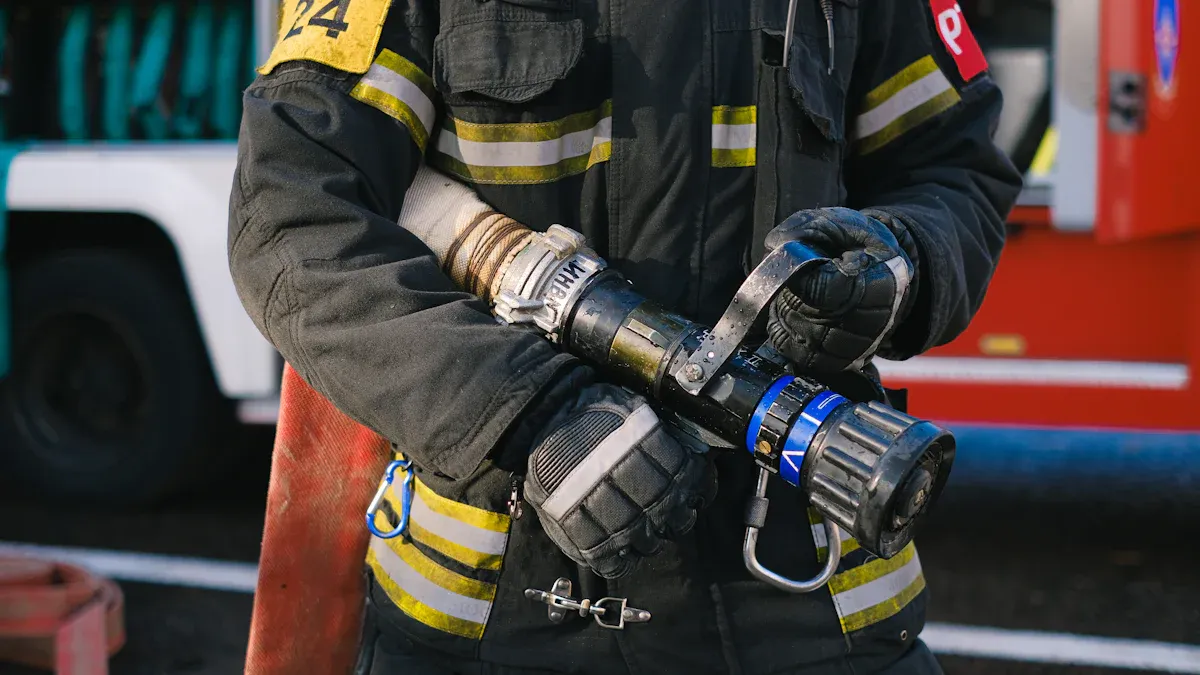
Fire hose nozzles play a crucial role in firefighting equipment. The choice between brass fire nozzles and aluminum fire hose nozzles can significantly influence performance and effectiveness. Each material offers distinct advantages that impact durability, weight, and cost. For instance, the durability of brass vs. aluminum nozzles affects their longevity and reliability under pressure, making it important to consider when selecting firefighting equipment. Understanding the pros and cons of lightweight aluminum fire nozzles is essential for making informed decisions in industrial fire nozzle selection, ensuring optimal results in fire suppression efforts. Additionally, a firefighting equipment durability comparison can help users determine the best option for their specific needs.
Key Takeaways
- Brass fire nozzles offer superior strength and durability, making them ideal for high-pressure firefighting situations.
- Aluminum nozzles are lighter, reducing firefighter fatigue and improving efficiency during extended operations.
- Consider corrosion resistance when choosing nozzles; brass can suffer from dezincification, while aluminum may corrode in harsh conditions.
- Brass nozzles typically have higher initial costs but provide better lifecycle value due to their durability and lower maintenance needs.
- Evaluate operational demands and environmental factors to select the most suitable nozzle material for your firefighting needs.
Material Properties
Strength Comparison
When comparing the strength of brass and aluminum fire hose nozzles, brass generally exhibits superior strength. Brass fire nozzles can withstand higher pressures without deforming, making them suitable for high-demand firefighting scenarios. This strength is particularly beneficial in situations where nozzles face intense water flow and pressure. In contrast, aluminum nozzles, while still strong, may not endure the same level of stress as brass. Firefighters should consider the specific demands of their operations when selecting between these materials.
Corrosion Resistance
Corrosion resistance is a critical factor in the longevity of fire hose nozzles. Brass has moderate corrosion resistance but is susceptible to dezincification, especially in aggressive environments such as saltwater. This vulnerability indicates that exposure to harsh chemicals can significantly reduce the lifespan of brass nozzles. On the other hand, aluminum does not face the same dezincification issues. However, it can corrode under certain conditions, particularly when exposed to alkaline or acidic substances. Therefore, while brass fire nozzles may be less durable in chemically aggressive environments, aluminum offers a more stable option in less corrosive settings.
Weight Differences
Weight plays a significant role in the usability of fire hose nozzles. Brass nozzles are heavier than their aluminum counterparts, which can lead to firefighter fatigue during extended operations. The higher nozzle reactions associated with combination nozzles can quickly tire firefighters. For instance, a 21⁄2-inch line with a combination nozzle set at 150 gpm produces a nozzle reaction of approximately 75 pounds. In contrast, using a lighter aluminum nozzle can reduce fatigue, allowing firefighters to operate more effectively over longer periods. This weight difference is crucial for departments that prioritize agility and endurance in their firefighting efforts.
Cost Considerations
Initial Purchase Price
The initial purchase price of fire hose nozzles can vary significantly between brass and aluminum options. Generally, brass fire nozzles tend to have a higher upfront cost due to their material properties and manufacturing processes. This investment reflects their durability and strength, which can be advantageous in high-pressure firefighting situations. Conversely, aluminum nozzles typically come at a lower price point, making them an attractive option for budget-conscious departments. However, the lower initial cost of aluminum may not always translate to long-term savings.
Maintenance Costs
Maintenance costs are another critical factor to consider when evaluating fire hose nozzles. The following table outlines the maintenance requirements for both brass and aluminum nozzles:
| Material | Maintenance Requirements | Notes |
|---|---|---|
| Brass | Requires regular inspections and protective coatings to prevent dezincification. | More attention needed in humid or chloride-rich environments. |
| Aluminum | Minimal maintenance due to natural corrosion resistance from the oxide layer. | Less frequent repairs or replacements needed due to environmental protection. |
Brass fire nozzles require more frequent inspections and protective measures, especially in corrosive environments. This can lead to higher maintenance costs over time. In contrast, aluminum nozzles benefit from a natural oxide layer that protects against corrosion, resulting in lower maintenance needs.
Lifecycle Value
Lifecycle value encompasses the total cost of ownership over the lifespan of the nozzles, factoring in durability, maintenance, and operational efficiency. The following table compares the lifecycle value of brass and aluminum fire hose nozzles in municipal fire departments:
| Feature | Brass Nozzles | Aluminum Nozzles |
|---|---|---|
| Durability | High resistance to corrosion and wear | Prone to galvanic corrosion |
| Maintenance Requirements | Low maintenance, minimal upkeep needed | Higher maintenance due to rust issues |
| Operational Efficiency | Optimized water flow and pressure | Less efficient water delivery |
| Heat Resistance | Excellent heat resistance | Lower heat resistance |
| Lifespan | Longer lifespan due to material strength | Shorter lifespan under high-stress use |
Brass fire nozzles generally offer a longer lifespan and better operational efficiency, which can justify their higher initial cost. Although aluminum nozzles are less expensive upfront, their shorter lifespan and potential for increased maintenance may diminish their overall value.
Application Suitability

Environmental Factors
Fire hose nozzles must perform well under various environmental conditions. Factors such as temperature, wind, and altitude can significantly impact nozzle performance. For instance, extreme temperatures can affect the durability of materials. The following table summarizes how brass and aluminum nozzles respond to heat:
| Property | Brass Nozzles | Aluminum Nozzles |
|---|---|---|
| Heat Resistance | Higher heat resistance, suitable for extreme temperatures | Lower heat resistance, less suitable for extreme temperatures |
| Durability | More durable and corrosion-resistant | Less durable compared to brass |
| Wear Resistance | Better wear resistance | Weaker wear resistance |
| Water Flow Control | Better water flow regulation | Less precise water flow control |
Additionally, environmental conditions such as temperature can lead to freezing of water within equipment, affecting pressure dynamics. Wind can disrupt spray patterns, necessitating adjustments in nozzle type or pressure. Altitude affects atmospheric pressure, influencing pump performance and nozzle output.
Operational Demands
Different firefighting scenarios impose varying operational demands on nozzles. Brass fire nozzles excel in high-pressure situations due to their strength and durability. They provide better water flow regulation, which is crucial during intense firefighting operations. Conversely, aluminum nozzles, while lighter and easier to handle, may not withstand the same pressures. Firefighters must assess the specific demands of their operations when selecting the appropriate nozzle material.
Industry Preferences
Industry preferences often dictate the choice between brass and aluminum fire hose nozzles. Many sectors favor brass fire nozzles for their corrosion resistance and heat transfer capabilities. The following list highlights industries that typically prefer brass nozzles:
- Firefighting: Valued for their durability and performance under pressure.
- Plumbing: Cost efficiency and longevity make brass a preferred choice.
- Marine Applications: Brass withstands moderate chemical exposure effectively.
In contrast, aluminum nozzles are favored in situations where weight reduction is critical. Their lighter design helps reduce shoulder strain during prolonged use, making them suitable for various operational contexts.
Brass and aluminum fire hose nozzles each offer unique advantages. Brass nozzles provide exceptional durability and strength, making them ideal for industrial and high-pressure scenarios. However, they may raise health concerns due to lead content. In contrast, aluminum nozzles are lightweight and easier to handle, which benefits residential and commercial settings for rapid deployment.
FAQ
What are the main advantages of brass fire hose nozzles?
Brass fire hose nozzles offer superior strength and durability. They withstand high pressures and provide excellent corrosion resistance, making them ideal for demanding firefighting situations.
Are aluminum fire hose nozzles lighter than brass?
Yes, aluminum fire hose nozzles are significantly lighter than brass. This reduced weight helps minimize firefighter fatigue during extended operations, enhancing overall efficiency.
How do environmental conditions affect nozzle performance?
Environmental factors like temperature and humidity can impact nozzle performance. Brass nozzles perform better in extreme heat, while aluminum nozzles may corrode in harsh conditions.
What is the typical lifespan of brass and aluminum nozzles?
Brass nozzles generally have a longer lifespan due to their durability and resistance to wear. Aluminum nozzles may require replacement sooner, especially under high-stress use.
Which nozzle material is more cost-effective?
While aluminum nozzles have a lower initial purchase price, brass nozzles often provide better lifecycle value due to their durability and lower maintenance costs over time.
Post time: Mar-15-2026