

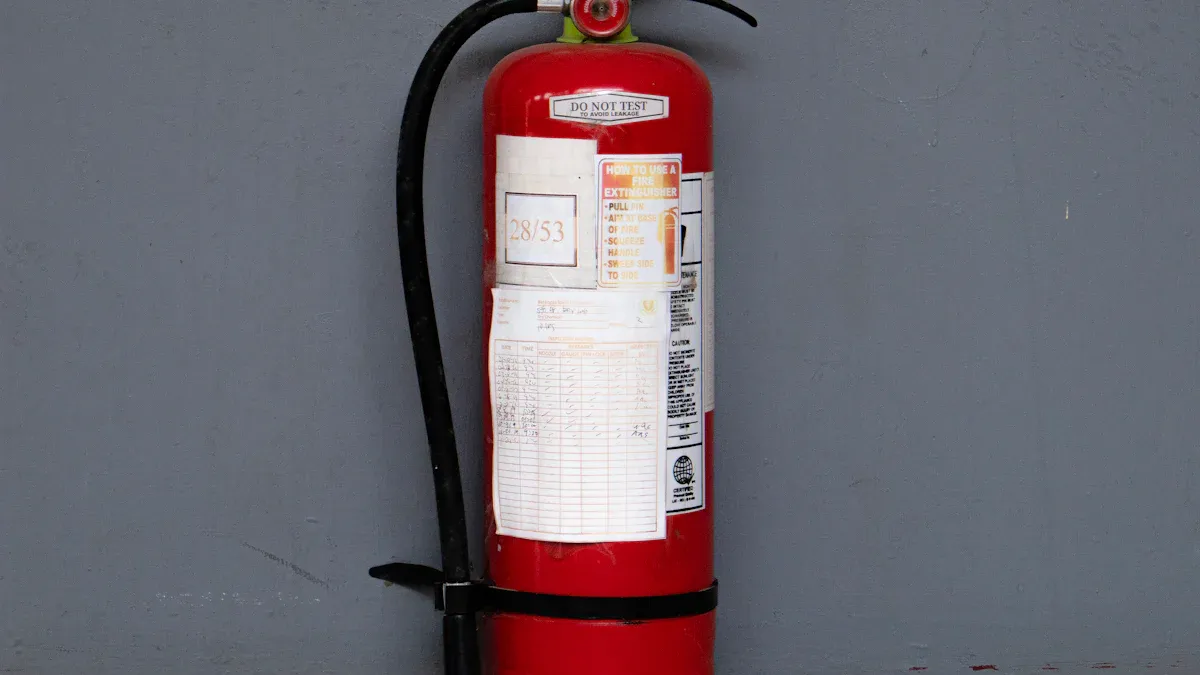
Choosing the right fire safety equipment depends on the specific types of fires expected in your environment. For most residential and commercial settings, an ABC dry powder fire extinguisher is ideal as it can handle common fire types, including those caused by ordinary combustibles, flammable liquids, and electrical equipment. In areas with specialized hazards, such as kitchens or laboratories, a CO2 fire extinguisher may be necessary due to its effectiveness against flammable liquids and electrical fires. Understanding the distinct applications of each fire fighting equipment type enhances fire safety equipment effectiveness and preparedness, ensuring that you are well-equipped to handle any situation.
Key Takeaways
- Choose an ABC fire extinguisher for general use. It effectively handles Class A, B, and C fires, making it versatile for most environments.
- Use CO2 extinguishers in areas where water damage is a concern. They are ideal for electrical fires and sensitive equipment, but not for Class A fires.
- Foam extinguishers are best for flammable liquid fires. They create a protective film that prevents re-ignition, making them suitable for high-risk areas.
- Regular maintenance of fire extinguishers is crucial. Schedule annual inspections and check for damage to ensure they work when needed.
- Train staff on how to use fire extinguishers properly. Knowledge of the right techniques can save lives and property during emergencies.
Overview of Fire Safety Equipment
Fire safety equipment plays a crucial role in protecting lives and property from fire hazards. Understanding the various types of equipment available can significantly enhance safety measures in homes and businesses. Common fire safety equipment includes:
- Fire Extinguishers
- Fire Sprinklers
- Fire Hydrants
- Fire Blankets
- Smoke Detectors
According to a recent Fire Safety Survey, 58% of households have a fire extinguisher on every level. However, 42% do not have one on every level, indicating a gap in preparedness. This lack of proper planning can increase risks during emergencies.
Fire extinguishers are essential tools for immediate response to small fires. They allow individuals to take action before the fire escalates. Fire sprinklers automatically activate when they detect heat, providing an effective means of controlling fires. Fire hydrants supply water for firefighting efforts, while fire blankets can smother flames and protect individuals from burns. Smoke detectors alert occupants to smoke, providing critical time to evacuate.
Each piece of fire safety equipment serves a unique purpose. Together, they form a comprehensive fire safety strategy. Regular maintenance and testing of these devices are vital to ensure their effectiveness. By understanding and utilizing the right fire safety equipment, individuals can significantly reduce the risk of fire-related incidents.
ABC Fire Extinguisher
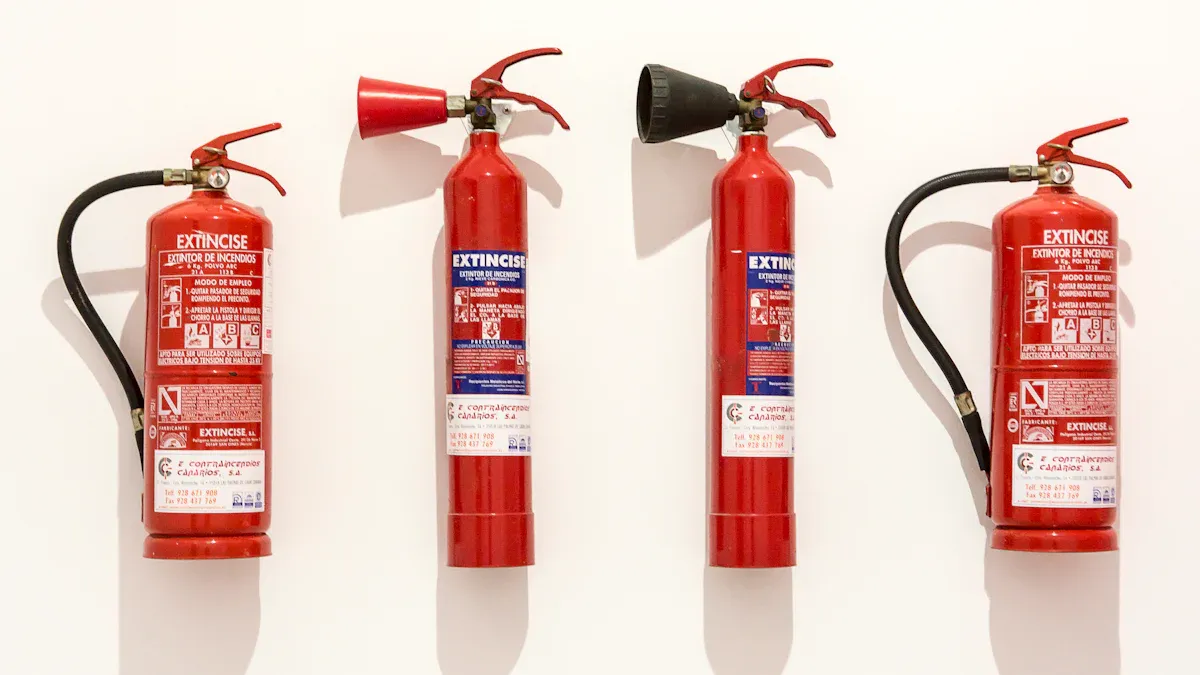
The ABC fire extinguisher is a versatile and essential piece of fire safety equipment. It effectively combats fires classified as Class A, B, and C. Class A fires involve ordinary combustibles like wood and paper, Class B fires involve flammable liquids such as gasoline, and Class C fires involve electrical equipment.
ABC extinguishers contain dry chemical powder, which plays a crucial role in fire suppression. The following table outlines the chemical agents used in these extinguishers and their mechanisms of action:
| Chemical Agent | Fire Classes | Mechanism of Action |
|---|---|---|
| Dry Chemical Powder | Class A, B, C | Interrupts the chemical reaction of the fire triangle. |
| Monoammonium Phosphate | Class A, B, C | Smothers and cools the fire, separating fuel from oxygen. |
| Fine Yellow Powder | Class A, B, C | Coats fuel with dust, interrupting the fire’s chemical reaction. |
The effectiveness of ABC extinguishers stems from their ability to interrupt the chemical reactions that sustain fires. They smother flames and cool the burning material, making them a reliable choice for various environments.
However, users should be aware of certain limitations. For instance:
- ABC extinguishers can leave a dry chemical residue that may cause collateral damage when used on electrical fires, potentially shorting out electronics.
- They are unsuitable for combustible metal fires, as they can react violently with certain metals and fail to extinguish the fire effectively.
Understanding these factors helps individuals make informed decisions about fire safety equipment. Proper training in using ABC extinguishers can enhance safety and preparedness in emergency situations.
CO2 Fire Extinguisher
The CO2 fire extinguisher is a specialized tool designed for specific fire scenarios. It effectively suppresses flames by displacing oxygen, which is essential for combustion. This mechanism makes CO2 extinguishers particularly useful in environments where water damage must be avoided, such as data centers and power generation facilities.
Primary Use Cases:
- Data Centers: Protects sensitive electronic equipment from fire and water damage.
- Power Generation Facilities: Non-conductive properties are beneficial for electrical hazards.
- Marine Vessels: Used in confined spaces like engine rooms.
- Industrial Manufacturing: Quickly suppresses fires without contaminating products.
- Automotive Paint Booths: Fast-acting suppression for flammable chemicals.
While CO2 extinguishers are effective, users must follow safety precautions, especially in confined spaces. Here are some important guidelines:
- Always use personal protective equipment such as gloves, goggles, and face shields.
- Ensure proper ventilation in storage areas to avoid hazardous atmospheres.
- Regularly inspect cylinders, hoses, and connections for signs of wear.
- Avoid storing CO2 in confined spaces and keep storage areas away from open flames and electrical circuits.
It is crucial to note that CO2 extinguishers are not suitable for Class A fires involving combustible materials like wood or paper. They lack the cooling effect necessary to extinguish these types of fires effectively. Additionally, using CO2 in confined spaces without proper ventilation can create a suffocation risk due to oxygen displacement.
Foam Fire Extinguisher
Foam fire extinguishers are essential tools for combating flammable liquid fires, particularly those involving petroleum products. They utilize a unique mechanism to suppress flames by forming a protective film over the fuel surface. This film prevents flammable vapors from mixing with oxygen, effectively blocking ignition.
Composition and Functionality
The active ingredients in foam extinguishers, particularly Aqueous Film Forming Foam (AFFF), include:
- Water
- Organic solvents
- Hydrocarbon surfactants
- Fluorosurfactants
- Polymers
These components work together to create a film that smothers the fire. The coating blocks oxygen access to the fuel, which is crucial for fire suppression. However, it is important to note that AFFF contains toxic chemicals such as PFAS, PFOA, and PFOS. These substances can pose health risks and have raised environmental concerns.
The environmental impact of PFCs includes their role in ozone depletion and the potential for bioaccumulation in wildlife.
As regulations evolve, the use of foam fire extinguishers is under scrutiny. Environmental regulations are prompting a careful review of AFFF options due to the presence of fluorinated compounds. Users must consider these factors when selecting fire safety equipment for their facilities.
Applications
Foam extinguishers are particularly effective in:
- Aircraft hangars
- Fuel storage areas
- Chemical processing plants
- Marine environments
Their ability to suppress flammable liquid fires makes them a preferred choice in these high-risk settings. Proper training in their use is essential to maximize effectiveness and ensure safety.
Comparison of Fire Extinguishers
When selecting fire safety equipment, understanding the differences between ABC, CO2, and foam fire extinguishers is essential. Each type has unique strengths and weaknesses that make it suitable for specific fire scenarios.
Effectiveness and Limitations
The following table summarizes the effectiveness and limitations of each fire extinguisher type:
| Fire Extinguisher Type | Effectiveness | Limitations |
|---|---|---|
| ABC | Effective against Class A, B, and C fires | Can leave a residue; not suitable for metal fires |
| CO2 | Effective against B and C fires, leaves no residue | Less effective as fire temperature drops; shorter effective range outdoors |
| Foam | Works on solid combustibles and flammable liquids; cools fuel source | Cannot be used in freezing conditions |
ABC extinguishers are versatile, making them ideal for general use. They can tackle a variety of fire classes, but they may leave a residue that can damage sensitive equipment. CO2 extinguishers excel in environments where residue is a concern, such as data centers. However, they are less effective in outdoor settings due to wind. Foam extinguishers are particularly effective for flammable liquids but are not suitable for freezing temperatures.
Cost Considerations
Cost is another important factor when comparing fire extinguishers. The following table outlines the purchase and maintenance costs associated with each type:
| Type of Extinguisher | Purchase Cost | Maintenance Cost |
|---|---|---|
| Small ABC dry chemical (5-10 lbs) | $40-60 | $50-100+ |
| Large ABC dry chemical (20+ lbs) | $80-120 | $50-100+ |
| CO2 extinguishers | $250 | $60-100 |
ABC extinguishers generally have a lower initial cost compared to CO2 extinguishers. However, maintenance costs can vary based on the type and size of the extinguisher.
How Each Extinguisher Works
Understanding how fire extinguishers operate is crucial for effective fire suppression. Each type of extinguisher employs a unique mechanism to combat flames. Below is a breakdown of how ABC, CO2, and foam extinguishers function.
ABC Fire Extinguisher
The ABC fire extinguisher utilizes a dry chemical powder to suppress fires. Its operation involves several key mechanisms:
| Mechanism | Description |
|---|---|
| Smothering | Fine powder particles form a blanket over the fuel, excluding oxygen and preventing combustion. |
| Cooling | Endothermic decomposition absorbs heat, lowering temperature below the ignition point. |
| Radical chain interruption | Releases species that scavenge free radicals, inhibiting combustion propagation. |
| Thermal decomposition | Monoammonium phosphate decomposes at high temperatures, releasing ammonia and water vapor. |
| Coating | Phosphoric acid forms a heat-resistant coating, sealing fuel and preventing volatile release. |
When discharged, the powder interrupts the chemical reactions that sustain the fire. This makes ABC extinguishers effective against Class A, B, and C fires.
CO2 Fire Extinguisher
CO2 fire extinguishers work by displacing oxygen, which is essential for combustion. They are particularly effective for electrical and flammable liquid fires. The discharge mechanism involves:
- Displacement of Oxygen: CO2 suffocates flames quickly by reducing the oxygen concentration around the fire.
- Cooling Effect: The rapid expansion of CO2 creates a cooling effect, which helps to lower the temperature of the burning material.
The following table summarizes the mechanism of CO2 extinguishers:
| Extinguisher Type | Mechanism Description |
|---|---|
| CO2 | Displaces oxygen and cools flames, creating a mixture of frozen snow and gas. |
CO2 extinguishers are ideal for environments where water damage must be avoided, such as data centers and laboratories.
Foam Fire Extinguisher
Foam fire extinguishers are designed to combat flammable liquid fires. They operate by creating a protective film over the burning material. This film cuts off the oxygen supply while also cooling the fire. The operation involves:
- Foam Creation: A mixture of water and a foaming agent generates a larger volume of foam.
- Oxygen Cut-off: The foam blankets the fuel, preventing flammable vapors from igniting.
The following table outlines the discharge characteristics of foam extinguishers:
| Type of Extinguisher | Average Discharge Time | Average Range of Throw |
|---|---|---|
| Foam | 22 Sec. – 35 Sec. | 5 m. – 7 m. |
Foam extinguishers are particularly effective in high-risk environments, such as fuel storage areas and chemical processing plants.
Performance in Fire Classes
Understanding how different fire extinguishers perform across various fire classes is essential for effective fire safety management. Each type of extinguisher has unique capabilities and limitations, making it crucial to select the right one for specific fire scenarios.
ABC Fire Extinguisher Performance
ABC fire extinguishers excel in managing Class A, B, and C fires. Their versatility stems from their dry chemical composition, which effectively interrupts the chemical reactions that sustain fires. Laboratory testing confirms that ABC extinguishers are effective against all three fire classes. The National Fire Protection Association (NFPA) mandates that laboratories handling chemicals must be equipped with extinguishers capable of combating these fire types. This requirement underscores the reliability of ABC extinguishers in environments where flammable materials are present.
CO2 Fire Extinguisher Performance
CO2 fire extinguishers are particularly effective for Class B and C fires. They work by displacing oxygen, which is essential for combustion. However, they are not suitable for Class A fires, which involve ordinary combustibles like wood or paper, nor for Class K fires, which involve cooking oils. The following table summarizes the suitability of CO2 extinguishers for different fire classes:
| Fire Class | Suitability |
|---|---|
| Class A (ordinary combustibles) | Not suitable |
| Class K (cooking oils) | Not suitable |
| Class B (flammable liquids) | Suitable |
| Class C (electrical) | Suitable |
While CO2 extinguishers effectively suppress flames in flammable liquid and electrical fires, users must exercise caution. In confined spaces, the risk of oxygen displacement can pose a suffocation hazard.
Foam Fire Extinguisher Performance
Foam fire extinguishers are highly effective against Class B fires, particularly those involving flammable liquids. They create a foam blanket that separates the fuel from oxygen, preventing re-ignition. The following table illustrates the performance of foam extinguishers compared to other types:
| Extinguisher Type | Mechanism of Action | Effectiveness on Class B Fires |
|---|---|---|
| Foam Fire Extinguishers | Create a foam blanket that separates fuel from oxygen, preventing re-ignition. | Highly effective due to oxygen supply cut-off. |
| Carbon Dioxide Extinguishers | Displace oxygen and cool the fire, but may not be as effective on flammable liquids. | Limited effectiveness; may not prevent re-ignition. |
| Dry Chemical Extinguishers | Interrupt the chemical reaction of the fire, but can leave residue. | Effective, but can be messy and may not seal vapors. |
Foam extinguishers are particularly advantageous in high-risk environments, such as fuel storage areas and chemical processing plants. Their ability to suppress flammable liquid fires makes them a preferred choice in these settings.
Pros and Cons of Each Extinguisher
Choosing the right fire extinguisher involves understanding the advantages and disadvantages of each type. Below is a summary of the pros and cons for ABC, CO2, and foam fire extinguishers.
ABC Fire Extinguisher
Pros:
- Versatile: Effective against Class A, B, and C fires.
- Widely available: Commonly found in homes and businesses.
- Easy to use: Simple operation makes it accessible for most users.
Cons:
- Residue: Leaves a dry chemical residue that may damage sensitive equipment.
- Not suitable for metal fires: Can react violently with certain metals.
| Type of Fire | ABC Extinguisher Capability |
|---|---|
| Ordinary Combustibles | Yes |
| Flammable Liquids | Yes |
| Electrical Equipment | Yes |
CO2 Fire Extinguisher
Pros:
- No residue: Leaves no mess, making it ideal for sensitive environments.
- Effective for electrical fires: Safely suppresses flames without conducting electricity.
Cons:
- Limited effectiveness outdoors: CO2 extinguishers are ineffective in outdoor conditions where wind can quickly disperse the carbon dioxide, limiting their ability to extinguish fires. Their short range further complicates their use in such environments.
- Not suitable for Class A fires: Lacks the cooling effect needed for ordinary combustibles.
Foam Fire Extinguisher
Pros:
- Effective for flammable liquids: Creates a protective film that prevents re-ignition.
- Versatile in high-risk environments: Ideal for use in fuel storage and chemical processing areas.
Cons:
- Environmental concerns: Some foam extinguishers contain toxic chemicals that pose health risks.
- Not effective in freezing conditions: Foam can freeze, rendering it useless in cold weather.
Understanding these pros and cons helps individuals make informed decisions about fire safety equipment. Each extinguisher serves a specific purpose, and selecting the right one can significantly enhance fire safety measures.
Maintenance of Fire Safety Equipment
Proper maintenance of fire safety equipment is essential for ensuring functionality during emergencies. Fire extinguishers require regular inspections and servicing to remain effective. Here are the key maintenance requirements for ABC, CO2, and foam fire extinguishers:
- Annual Inspection: All fire extinguishers must undergo a thorough inspection every year. This includes checking for damage, corrosion, dents, and wear.
- Hose Examination: Inspect hoses for blockages. Replace them if any signs of use or damage are evident.
- Internal Examination: The National Fire Protection Association (NFPA) 10 mandates periodic internal examinations and recharging throughout the service life of fire extinguishers. For stored-pressure dry chemical extinguishers, internal examination and recharging are required at six and twelve years from the manufacture date.
Regular maintenance also involves:
- Cylinder Inspection: Examine the cylinder inside and out. Ensure the extinguishing agent is refilled if necessary and tested for safe expulsion.
- Hydrostatic Testing: This testing is required every six years for wet chemical and CO2 extinguishers, and every twelve years for dry chemical extinguishers.
Neglecting maintenance can lead to failure during emergencies. The table below outlines common causes of fire extinguisher failure:
| Cause of Failure | Description |
|---|---|
| Maintenance Issues | Discharged extinguishers need recharging and servicing to ensure functionality. Failure to do so can lead to clogs and damage to components. |
| Environmental Factors | Extreme temperatures, humidity, and UV exposure can damage extinguishers, affecting performance. |
| Obsolete Equipment | Older extinguishers may not meet current safety standards and can fail to operate correctly. |
By adhering to these maintenance guidelines, individuals can ensure their fire safety equipment remains reliable and effective in emergencies.
Recommendations for Fire Extinguisher Selection
Selecting the right fire extinguisher requires careful consideration of the environment and potential fire hazards. Here are key recommendations for choosing the appropriate fire extinguishers for different settings:
- Identify Fire Risks: Assess the types of fires that may occur in your environment. For example, kitchens often face grease fires, while garages may deal with flammable liquids.
- Consider the Environment: The size and layout of the area influence the number and type of extinguishers needed. Larger spaces may require multiple extinguishers to ensure coverage.
- Compliance with Regulations: Ensure that fire extinguishers meet local fire codes and insurance requirements. This compliance is crucial for commercial settings, where specific extinguishers may be mandated.
- Staff Training: Provide training for employees on how to use fire extinguishers effectively. Knowledge of proper techniques can significantly enhance safety during emergencies.
- Regular Maintenance: Schedule routine inspections and maintenance for all fire safety equipment. Neglecting maintenance can lead to non-functional extinguishers during critical moments.
Specific Recommendations for Different Environments
- Commercial Kitchens:
- Use Class K extinguishers for cooking oils.
- Include ABC extinguishers for general fire risks.
- Ensure staff receives training on using these extinguishers effectively.
- Residential Garages:
- Select dry chemical extinguishers effective against Class A, B, and C fires.
- Consider the following table for guidance:
| Fire Extinguisher Type | Effective Against | Notes |
|---|---|---|
| Dry Chemical | Class A, B, C | Most widely used, interrupts chemical reaction |
| Ordinary Dry Chemical | Class B, C | Not suitable for Class A fires |
- Industrial Settings:
- Use a mix of Class A, B, and C extinguishers based on specific risks.
- Ensure compliance with local fire codes and consult experts for installation.
By following these recommendations, individuals can enhance their fire safety preparedness and ensure they have the right fire safety equipment for their specific needs.
Selecting the appropriate fire extinguisher is crucial for effective fire safety. Consider the following key points:
- NFPA 10 outlines standards for portable fire extinguishers, emphasizing the need for proper installation and maintenance.
- Choose extinguishers based on specific fire hazards present in your environment.
- Regular inspections prolong the lifespan of extinguishers and ensure readiness for use.
For versatile protection, opt for extinguishers with an ABC rating. This choice covers multiple fire classes, enhancing safety. As fire safety educator Tom Kiurski noted, “Anything less than all three common classes limits you if your fire does not match up to your fire extinguisher.” Prioritize UL-certified products from reputable manufacturers to ensure reliability.
By following these recommendations, individuals can significantly improve their fire safety preparedness.
FAQ
What is the difference between Class A, B, and C fires?
Class A fires involve ordinary combustibles like wood and paper. Class B fires involve flammable liquids such as gasoline. Class C fires involve electrical equipment. Each class requires specific extinguishing methods for effective suppression.
How often should fire extinguishers be inspected?
Fire extinguishers should undergo an annual inspection. Additionally, users must check them monthly for any visible signs of damage or discharge. Regular maintenance ensures they function properly during emergencies.
Can I use water on all types of fires?
No, water is not suitable for Class B or C fires. Using water on flammable liquids can spread the fire. For electrical fires, water can create a shock hazard. Always use the appropriate extinguisher.
How do I know when to replace my fire extinguisher?
Replace fire extinguishers if they show signs of damage, have a missing or broken seal, or if the pressure gauge indicates low pressure. Follow the manufacturer’s guidelines for replacement timelines.
Are foam extinguishers safe for the environment?
Some foam extinguishers contain toxic chemicals that raise environmental concerns. Users should consider alternatives that comply with current regulations. Always check local guidelines for safe disposal and environmental impact.
Post time: Mar-06-2026